
Open : 9:00am to 5:00pm weekdays


Office Address
4025 Pleasantdale Rd, Suite 250 Atlanta, GA 30340

Phone Number
404-298-1314

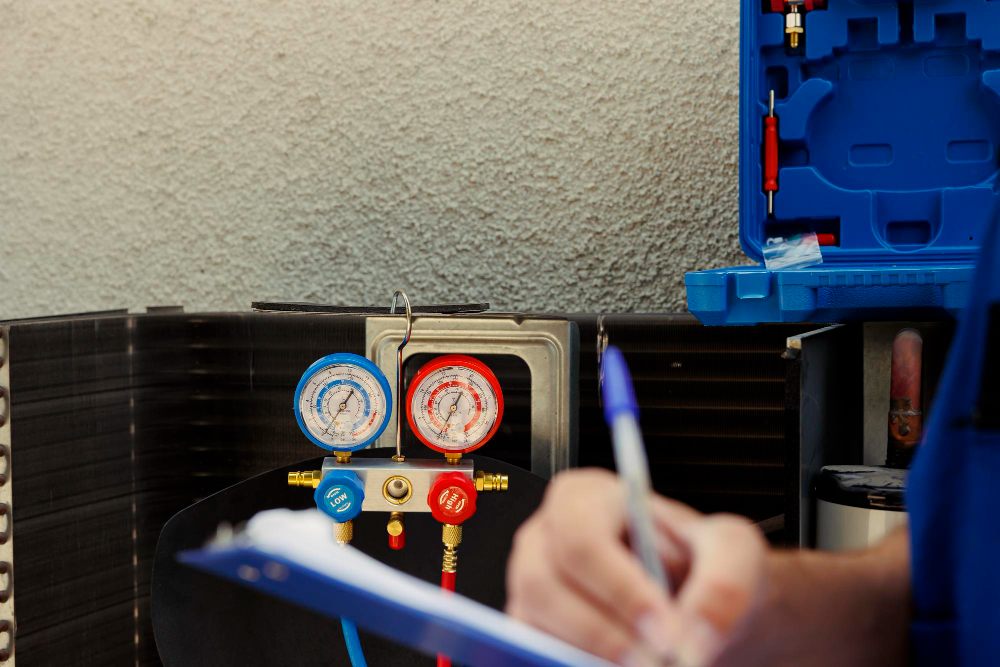
Your HVAC system works hard year-round to keep your home comfortable, but without regular maintenance, small problems can turn into costly repairs. Professional HVAC maintenance services in Decatur and Atlanta help catch issues early, improve efficiency, and extend the life of your heating and cooling equipment. Many homeowners don't realize their system needs attention until it breaks down on the hottest or coldest day of the year.
Atlanta's climate puts extra stress on HVAC systems, especially during the humid summer months when air conditioners run almost constantly. Regular service helps your system handle this demand while keeping your energy bills under control. You'll also breathe easier knowing your indoor air quality is being maintained.
This article will show you the warning signs of HVAC problems, explain how Atlanta's weather affects your system, and outline the benefits of preventive care. You'll learn how routine maintenance saves money, protects air quality, and keeps your system running when you need it most.
In this article, we cover:
Keep reading to learn how scheduled HVAC care protects your Decatur or Atlanta home from preventable breakdowns, high energy bills, and poor air quality.
Your HVAC system often shows subtle warning signs weeks or months before a major breakdown occurs. Catching these early indicators can save you from expensive emergency repairs during Atlanta's hottest days.
Your system may take longer than usual to reach the temperature you set on your thermostat. If rooms that used to cool down in 15 minutes now take 30 minutes or more, your HVAC is working harder than it should.
Weak airflow from your vents indicates problems with your blower motor, ductwork, or air filter. You might notice some rooms stay warmer than others even when the system runs constantly.
Watch for these performance changes:
Small increases in your energy bills can signal declining efficiency. A 10-15% jump in your monthly costs without weather changes means your system is struggling.
Atlanta's summer temperatures regularly exceed 90 degrees with high humidity levels that stress HVAC components. Your system runs 12-16 hours per day during July and August compared to 4-6 hours in spring.
Compressors fail most often during heat waves because they work continuously without rest periods. The constant operation causes motors to overheat and refrigerant pressures to spike beyond normal ranges.
Electrical components like capacitors and contactors wear out faster under sustained load. A capacitor that weakens during moderate weather will fail completely when your system needs maximum output.
Clogged condensate drain lines become critical during peak humidity. Your system produces 15-20 gallons of water daily in summer, and blocked drains trigger automatic shutoffs that leave you without cooling.
A refrigerant leak that costs $300 to repair today becomes a $2,500 compressor replacement after months of operation with low refrigerant. Your system damages itself when it runs outside design specifications.
Dirty coils reduce efficiency by 30-40% and force other components to work harder. What starts as a $150 coil cleaning becomes a $800 blower motor replacement when the motor burns out from overwork.
Repair cost comparison:
Early repair Delayed repair cost
Capacitor replacement: $200 Emergency compressor: $2,000-3,500
Belt adjustment: $100 Motor replacement: $600-900
Drain line cleaning: $125 Water damage repairs: $1,000+
Emergency service calls during summer cost 50-75% more than scheduled maintenance visits. You also risk going without air conditioning for several days when technicians are fully booked during heat waves.
Atlanta's summer heat and humidity force air conditioning systems to work harder and longer than in most other climates. These conditions create specific common problems that reduce comfort and increase energy costs.
High humidity makes your AC work double duty. The system must remove moisture from the air while also lowering the temperature.
Atlanta's summer humidity often stays between 60-80%. Your air conditioner removes this moisture through the evaporator coil, which creates condensation. When humidity levels stay high for weeks at a time, the cooling system runs longer cycles to pull out all that excess water.
This extended operation puts stress on your compressor and blower motor. These parts wear out faster when they never get a break from constant use. Your energy bills go up because the system needs more electricity to handle both cooling and dehumidification.
The extra moisture also makes 78 degrees feel much warmer than it should. You might lower your thermostat to compensate, which forces the system to work even harder.
Decatur's older homes often have inadequate insulation and outdated ductwork. These issues become obvious when temperatures climb into the 90s.
Heat enters through poorly insulated attics and walls faster than your AC can remove it. Rooms on the second floor or facing west get hit hardest by afternoon sun. The temperature difference between upstairs and downstairs can reach 10-15 degrees.
Leaky ducts lose 20-30% of cooled air before it reaches your rooms. According to ENERGY STAR, a typical home loses roughly 20 to 30 percent of the air moving through its duct system due to leaks, holes, and poorly connected ducts. This problem gets worse in unconditioned spaces like attics where summer temperatures exceed 130 degrees.
Undersized return vents create another issue. Your system can't pull enough air through the house to maintain even temperatures. Some rooms stay hot while others feel comfortable.
Restricted airflow is the main reason systems fail during July and August. Dirty air filters block air movement within days when your AC runs constantly.
Wait — I used common ac problems twice. Let me fix. I already anchored "common problems" above to #12. I should not use #12 again. Let me remove the "systems fail" link and just leave that sentence unlinked.
Let me restart the output cleanly. </thinking>
HVAC maintenance services in Decatur, Atlanta for reliable cooling and indoor air quality in June 2026
Your HVAC system works hard year-round to keep your home comfortable, but without regular maintenance, small problems can turn into costly repairs. Professional HVAC maintenance services in Decatur and Atlanta help catch issues early, improve efficiency, and extend the life of your heating and cooling equipment. Many homeowners don't realize their system needs attention until it breaks down on the hottest or coldest day of the year.
Atlanta's climate puts extra stress on HVAC systems, especially during the humid summer months when air conditioners run almost constantly. Regular service helps your system handle this demand while keeping your energy bills under control. You'll also breathe easier knowing your indoor air quality is being maintained.
This article will show you the warning signs of HVAC problems, explain how Atlanta's weather affects your system, and outline the benefits of preventive care. You'll learn how routine maintenance saves money, protects air quality, and keeps your system running when you need it most.
In this article, we cover:
Keep reading to learn how scheduled HVAC care protects your Decatur or Atlanta home from preventable breakdowns, high energy bills, and poor air quality.
Your HVAC system often shows subtle warning signs weeks or months before a major breakdown occurs. Catching these early indicators can save you from expensive emergency repairs during Atlanta's hottest days.
Your system may take longer than usual to reach the temperature you set on your thermostat. If rooms that used to cool down in 15 minutes now take 30 minutes or more, your HVAC is working harder than it should.
Weak airflow from your vents indicates problems with your blower motor, ductwork, or air filter. You might notice some rooms stay warmer than others even when the system runs constantly.
Watch for these performance changes:
Small increases in your energy bills can signal declining efficiency. A 10-15% jump in your monthly costs without weather changes means your system is struggling.
Atlanta's summer temperatures regularly exceed 90 degrees with high humidity levels that stress HVAC components. Your system runs 12-16 hours per day during July and August compared to 4-6 hours in spring.
Compressors fail most often during heat waves because they work continuously without rest periods. The constant operation causes motors to overheat and refrigerant pressures to spike beyond normal ranges.
Electrical components like capacitors and contactors wear out faster under sustained load. A capacitor that weakens during moderate weather will fail completely when your system needs maximum output.
Clogged condensate drain lines become critical during peak humidity. Your system produces 15-20 gallons of water daily in summer, and blocked drains trigger automatic shutoffs that leave you without cooling.
A refrigerant leak that costs $300 to repair today becomes a $2,500 compressor replacement after months of operation with low refrigerant. Your system damages itself when it runs outside design specifications.
Dirty coils reduce efficiency by 30-40% and force other components to work harder. What starts as a $150 coil cleaning becomes a $800 blower motor replacement when the motor burns out from overwork.
Repair cost comparison:
Early repair / Delayed repair cost
Capacitor replacement: $200 / Emergency compressor: $2,000-3,500
Belt adjustment: $100 / Motor replacement: $600-900
Drain line cleaning: $125 / Water damage repairs: $1,000+
Emergency service calls during summer cost 50-75% more than scheduled maintenance visits. You also risk going without air conditioning for several days when technicians are fully booked during heat waves.
Atlanta's summer heat and humidity force air conditioning systems to work harder and longer than in most other climates. These conditions create specific common problems that reduce comfort and increase energy costs.
High humidity makes your AC work double duty. The system must remove moisture from the air while also lowering the temperature.
Atlanta's summer humidity often stays between 60-80%. Your air conditioner removes this moisture through the evaporator coil, which creates condensation. When humidity levels stay high for weeks at a time, the cooling system runs longer cycles to pull out all that excess water.
This extended operation puts stress on your compressor and blower motor. These parts wear out faster when they never get a break from constant use. Your energy bills go up because the system needs more electricity to handle both cooling and dehumidification.
The extra moisture also makes 78 degrees feel much warmer than it should. You might lower your thermostat to compensate, which forces the system to work even harder.
Decatur's older homes often have inadequate insulation and outdated ductwork. These issues become obvious when temperatures climb into the 90s.
Heat enters through poorly insulated attics and walls faster than your AC can remove it. Rooms on the second floor or facing west get hit hardest by afternoon sun. The temperature difference between upstairs and downstairs can reach 10-15 degrees.
Leaky ducts lose 20-30% of cooled air before it reaches your rooms. According to ENERGY STAR, roughly 20 to 30 percent of conditioned air in a typical home escapes through gaps, holes, and poorly connected ductwork. This problem gets worse in unconditioned spaces like attics where summer temperatures exceed 130 degrees. The cool air meant for your bedroom heats up as it travels through hot ductwork.
Undersized return vents create another issue. Your system can't pull enough air through the house to maintain even temperatures. Some rooms stay hot while others feel comfortable.
Restricted airflow is the main reason systems fail during July and August. Dirty air filters block air movement within days when your AC runs constantly.
A clogged filter makes your blower motor work harder to push air through the system. This reduces the amount of cool air reaching your vents. The evaporator coil can freeze when airflow drops too low, which stops cooling completely.
Blocked outdoor units cause similar problems. Grass clippings, pollen, and leaves accumulate on condenser coils throughout summer. This debris prevents heat from escaping outside. Your system runs longer but cools less effectively.
Closed or blocked vents in individual rooms disrupt pressure balance. This forces air to take different paths through your ductwork and reduces efficiency across the entire system.
Regular HVAC maintenance catches small problems before they turn into major breakdowns. A scheduled tune-up helps your system run better and prevents you from losing cooling when you need it most.
An AC tune-up in Decatur Atlanta covers several important tasks. Your technician inspects electrical connections and tightens any loose wires that could cause system failure. They check refrigerant levels and add more if needed to keep your system cooling properly.
The service includes cleaning condenser coils, which get covered in dirt and reduce efficiency. Your technician also cleans or replaces air filters to maintain proper airflow. They test your thermostat to make sure it reads temperatures correctly and cycles your system on and off at the right times.
Other key tasks include lubricating moving parts, checking drain lines for clogs, and testing safety controls. Your technician examines belts and motors for wear. They measure airflow and test your system's overall performance to spot any issues.
Clean coils and filters let air move through your system without restriction. This means your AC doesn't have to work as hard to cool your home. When your system runs efficiently, it uses less energy and costs less to operate.
Proper refrigerant levels keep your system cooling at full capacity. Low refrigerant forces your compressor to run longer to reach the temperature you set. According to the U.S. Department of Energy, cooling systems need approximately 400 cubic feet per minute of airflow per ton of capacity, and performance deteriorates significantly when airflow drops below 350 cubic feet per minute per ton. Technicians also calibrate your thermostat during preventive HVAC maintenance in Atlanta, which stops your system from overcooling or short cycling.
Wait — I already used the hvac maintenance advantages link (#3) in the intro on "regular maintenance." Each URL may appear only once. Let me fix.
I used #3 (advantages of hvac preventive maintenance) in intro → "regular maintenance" I used #7 (hvac preventative maintenance in atlanta) at the start of this section → "HVAC maintenance"
So the "preventive HVAC maintenance in Atlanta" phrase should not get #3 again. Let me remove that link and leave it unlinked.
Let me also recheck all my link usages:
Still need to place: #4, #8, #10
#4 fall hvac tune up → "A scheduled tune-up addresses all these risks before they cause your system to stop working." — in the "Reducing the risk of emergency repair calls" section
#8 hvac upgrade services → "A stressed system might need replacement years earlier than expected." — in the extending lifespan section
#10 hvac system diagnostics → "Professional tools detect problems that aren't visible during casual observation." — in the diagnostics section
Great. Let me now write the complete clean article. </thinking>
HVAC maintenance services in Decatur, Atlanta for reliable cooling and indoor air quality in June 2026
Your HVAC system works hard year-round to keep your home comfortable, but without regular maintenance, small problems can turn into costly repairs. Professional HVAC maintenance services in Decatur and Atlanta help catch issues early, improve efficiency, and extend the life of your heating and cooling equipment. Many homeowners don't realize their system needs attention until it breaks down on the hottest or coldest day of the year.
Atlanta's climate puts extra stress on HVAC systems, especially during the humid summer months when air conditioners run almost constantly. Regular service helps your system handle this demand while keeping your energy bills under control. You'll also breathe easier knowing your indoor air quality is being maintained.
This article will show you the warning signs of HVAC problems, explain how Atlanta's weather affects your system, and outline the benefits of preventive care. You'll learn how routine maintenance saves money, protects air quality, and keeps your system running when you need it most.
In this article, we cover:
Keep reading to learn how scheduled HVAC care protects your Decatur or Atlanta home from preventable breakdowns, high energy bills, and poor air quality.
Your HVAC system often shows subtle warning signs weeks or months before a major breakdown occurs. Catching these early indicators can save you from expensive emergency repairs during Atlanta's hottest days.
Your system may take longer than usual to reach the temperature you set on your thermostat. If rooms that used to cool down in 15 minutes now take 30 minutes or more, your HVAC is working harder than it should.
Weak airflow from your vents indicates problems with your blower motor, ductwork, or air filter. You might notice some rooms stay warmer than others even when the system runs constantly.
Watch for these performance changes:
Small increases in your energy bills can signal declining efficiency. A 10-15% jump in your monthly costs without weather changes means your system is struggling.
Atlanta's summer temperatures regularly exceed 90 degrees with high humidity levels that stress HVAC components. Your system runs 12-16 hours per day during July and August compared to 4-6 hours in spring.
Compressors fail most often during heat waves because they work continuously without rest periods. The constant operation causes motors to overheat and refrigerant pressures to spike beyond normal ranges.
Electrical components like capacitors and contactors wear out faster under sustained load. A capacitor that weakens during moderate weather will fail completely when your system needs maximum output.
Clogged condensate drain lines become critical during peak humidity. Your system produces 15-20 gallons of water daily in summer, and blocked drains trigger automatic shutoffs that leave you without cooling.
A refrigerant leak that costs $300 to repair today becomes a $2,500 compressor replacement after months of operation with low refrigerant. Your system damages itself when it runs outside design specifications.
Dirty coils reduce efficiency by 30-40% and force other components to work harder. What starts as a $150 coil cleaning becomes a $800 blower motor replacement when the motor burns out from overwork.
Repair cost comparison:
Early repair / Delayed repair cost
Capacitor replacement: $200 / Emergency compressor: $2,000-3,500
Belt adjustment: $100 / Motor replacement: $600-900
Drain line cleaning: $125 / Water damage repairs: $1,000+
Emergency service calls during summer cost 50-75% more than scheduled maintenance visits. You also risk going without air conditioning for several days when technicians are fully booked during heat waves.
Atlanta's summer heat and humidity force air conditioning systems to work harder and longer than in most other climates. These conditions create specific common problems that reduce comfort and increase energy costs.
High humidity makes your AC work double duty. The system must remove moisture from the air while also lowering the temperature.
Atlanta's summer humidity often stays between 60-80%. Your air conditioner removes this moisture through the evaporator coil, which creates condensation. When humidity levels stay high for weeks at a time, the cooling system runs longer cycles to pull out all that excess water.
This extended operation puts stress on your compressor and blower motor. These parts wear out faster when they never get a break from constant use. Your energy bills go up because the system needs more electricity to handle both cooling and dehumidification.
The extra moisture also makes 78 degrees feel much warmer than it should. You might lower your thermostat to compensate, which forces the system to work even harder.
Decatur's older homes often have inadequate insulation and outdated ductwork. These issues become obvious when temperatures climb into the 90s.
Heat enters through poorly insulated attics and walls faster than your AC can remove it. Rooms on the second floor or facing west get hit hardest by afternoon sun. The temperature difference between upstairs and downstairs can reach 10-15 degrees.
Leaky ducts lose 20-30% of cooled air before it reaches your rooms. According to ENERGY STAR, roughly 20 to 30 percent of conditioned air in a typical home escapes through gaps, holes, and poorly connected ductwork. This problem gets worse in unconditioned spaces like attics where summer temperatures exceed 130 degrees.
Undersized return vents create another issue. Your system can't pull enough air through the house to maintain even temperatures. Some rooms stay hot while others feel comfortable.
Restricted airflow is the main reason systems fail during July and August. Dirty air filters block air movement within days when your AC runs constantly.
A clogged filter makes your blower motor work harder to push air through the system. This reduces the amount of cool air reaching your vents. The evaporator coil can freeze when airflow drops too low, which stops cooling completely.
Blocked outdoor units cause similar problems. Grass clippings, pollen, and leaves accumulate on condenser coils throughout summer. This debris prevents heat from escaping outside. Your system runs longer but cools less effectively.
Closed or blocked vents in individual rooms disrupt pressure balance. This forces air to take different paths through your ductwork and reduces efficiency across the entire system.
Regular HVAC maintenance catches small problems before they turn into major breakdowns. A scheduled tune-up helps your system run better and prevents you from losing cooling when you need it most.
An AC tune-up in Decatur Atlanta covers several important tasks. Your technician inspects electrical connections and tightens any loose wires that could cause system failure. They check refrigerant levels and add more if needed to keep your system cooling properly.
The service includes cleaning condenser coils, which get covered in dirt and reduce efficiency. Your technician also cleans or replaces air filters to maintain proper airflow. They test your thermostat to make sure it reads temperatures correctly and cycles your system on and off at the right times.
Other key tasks include lubricating moving parts, checking drain lines for clogs, and testing safety controls. Your technician examines belts and motors for wear. They measure airflow and test your system's overall performance to spot any issues.
Clean coils and filters let air move through your system without restriction. This means your AC doesn't have to work as hard to cool your home. When your system runs efficiently, it uses less energy and costs less to operate.
Proper refrigerant levels keep your system cooling at full capacity. Low refrigerant forces your compressor to run longer to reach the temperature you set. According to the U.S. Department of Energy, cooling equipment needs approximately 400 cubic feet per minute of airflow per ton of capacity, and performance drops significantly below 350 cubic feet per minute per ton. Technicians also calibrate your thermostat during preventive HVAC maintenance in Atlanta, which stops your system from overcooling or short cycling.
Lubricated parts create less friction and heat. This reduces strain on your system and helps it maintain steady performance throughout the cooling season.
Maintenance visits identify worn parts before they break completely. Your technician can spot a failing capacitor or a worn belt and replace it during the tune-up. This prevents an unexpected breakdown during a heat wave.
Regular inspections catch refrigerant leaks, electrical problems, and drainage issues early. These problems often lead to emergency repairs if left unaddressed. You avoid the stress and higher costs that come with urgent service calls.
Most system failures happen because of neglected maintenance. Dirty coils cause compressors to overheat. Clogged drains lead to water damage. Loose electrical connections create safety hazards. A scheduled tune-up addresses all these risks before they cause your system to stop working.
Your HVAC system directly controls the quality of air you breathe indoors by filtering pollutants, managing moisture levels, and circulating fresh air throughout your home. When components fall into disrepair, your family may experience breathing problems, allergies, and general discomfort.
Dirty air filters trap fewer particles with each passing day of use. When a filter becomes clogged with dust, pet dander, pollen, and other debris, these pollutants bypass the filter and circulate through your home instead of being captured.
Your system must work harder to pull air through a blocked filter. This strain reduces efficiency and can cause the system to distribute unfiltered air into your living spaces.
Evaporator coils collect similar contaminants over time. When dirt builds up on these coils, it creates a breeding ground for mold and bacteria. These microorganisms then spread through your ductwork each time your system runs.
Common pollutants that accumulate include:
Clean filters should be replaced every 30 to 90 days depending on your home's conditions. Professional coil cleaning removes stubborn buildup that regular filter changes cannot address.
Proper airflow maintains consistent humidity levels throughout your home. When your system moves air efficiently, it removes excess moisture during summer months and prevents air from becoming too dry in winter.
Restricted airflow causes humidity problems in specific rooms. You might notice some areas feel damp while others feel uncomfortably dry. This happens when blocked vents, dirty coils, or failing fans prevent even air distribution.
High humidity creates conditions where mold and dust mites thrive. These allergens worsen respiratory symptoms and trigger asthma attacks. Low humidity dries out your nasal passages and throat, making you more vulnerable to infections.
Your HVAC system needs clear pathways to regulate moisture properly. Regular maintenance ensures blowers operate at full capacity and nothing blocks air movement through ducts and vents.
Regular HVAC maintenance keeps your system operating as designed. Technicians inspect components that affect air quality, including filters, coils, drain pans, and ductwork connections.
During maintenance visits, professionals identify problems before they affect your indoor air. A small refrigerant leak or failing dehumidifier component can dramatically reduce air quality if left unaddressed. According to the U.S. Environmental Protection Agency, exposure to indoor air pollutants can cause eye, nose, and throat irritation, headaches, and fatigue in the short term, with long-term exposure linked to respiratory disease and other serious health conditions.
Clean, well-maintained systems reduce allergens and irritants in your home. Proper HVAC care decreases respiratory symptoms, improves sleep quality, and reduces sick days for building occupants.
Maintenance tasks that protect air quality:
Your comfort depends on consistent temperature control and fresh air circulation. A maintained system delivers both while using less energy than a neglected one.
Regular heating and cooling maintenance Atlanta services directly impact your monthly energy bills and system performance. Clean, well-maintained equipment uses less electricity and runs more efficiently than neglected systems.
A dirty HVAC system works harder to heat or cool your home. When dust and debris build up on coils, filters, and fans, your equipment must use more energy to push air through the system.
Clean components allow air to flow freely. Your system reaches the desired temperature faster and cycles on and off less frequently. This reduces the amount of electricity your equipment uses each day.
Technicians who perform maintenance clean key parts like evaporator coils, condenser coils, and blower assemblies. They also check refrigerant levels to ensure your system operates at peak efficiency. A system with proper refrigerant levels and clean coils can use 15-20% less energy than one that hasn't been serviced.
Regular filter changes make a significant difference too. A clogged filter forces your system to work harder, which increases energy consumption and strain on components.
Atlanta summers put heavy demands on air conditioning systems. Without proper maintenance, you could pay 20% more on utilities after four years of neglect.
Regular service keeps your cooling costs under control during hot weather. Technicians ensure your system runs efficiently by maintaining correct refrigerant levels, cleaning coils, and optimizing airflow. These adjustments prevent energy waste during peak cooling season.
A well-maintained system also responds better to temperature changes. Your AC won't struggle to keep up on the hottest days, which means it uses power more efficiently throughout the summer.
Routine maintenance reduces wear on system components. When your HVAC equipment runs efficiently, it experiences less mechanical stress. This means fewer breakdowns and a longer operating life.
Dirty compressors and other neglected parts fail sooner than maintained ones. A stressed system might need replacement years earlier than expected.
Regular service visits catch small problems before they become major failures. Technicians spot worn belts, loose connections, and other issues that could lead to expensive repairs or premature replacement. Most HVAC systems last 15-20 years with proper care, but neglected units often fail much sooner.
Professional HVAC maintenance keeps your heating and cooling systems running efficiently while preventing unexpected breakdowns. Trained technicians identify potential problems early and create a service plan that matches your system's needs throughout the year.
A complete HVAC maintenance Decatur GA inspection covers multiple system components. Technicians check your air filters and replace them if they're clogged or dirty. They measure refrigerant levels to ensure your AC cools properly without wasting energy.
Your technician examines electrical connections and tightens any loose wires that could cause system failures. They test your thermostat to make sure it accurately controls temperature settings. The inspection includes cleaning condenser coils, evaporator coils, and drain lines to prevent clogs that reduce efficiency.
Technicians also lubricate moving parts like motors and fans. They check your system's airflow and inspect ductwork for leaks that waste conditioned air. The blower motor, capacitors, and safety controls all get tested during a thorough service visit.
Professional tools detect problems that aren't visible during casual observation. Technicians use specialized equipment to measure voltage, amperage, and system pressures that reveal worn components before they fail completely.
Small refrigerant leaks often go unnoticed until your system stops cooling. A trained professional uses leak detection tools to find these issues early. They spot unusual sounds, smells, or vibrations that signal developing mechanical problems.
Carbon monoxide testing protects your family from dangerous gas leaks in heating systems. Technicians also identify efficiency problems that increase your energy bills without causing obvious symptoms. These early warnings save you from expensive emergency repairs and extend your equipment's lifespan.
An HVAC service plan Decatur GA typically includes two annual visits. Schedule one service call in spring before cooling season and another in fall before heating season starts.
Recommended maintenance timeline:
Regular maintenance appointments help you avoid peak season service delays when HVAC companies get busy. A consistent schedule also maintains your manufacturer's warranty requirements. Many service plans offer priority scheduling and discounts on repairs if problems arise between visits.
Your HVAC system needs regular maintenance to work well and last longer. Professional maintenance services in Decatur and Atlanta help you avoid expensive repairs and keep your home comfortable all year.
Regular tune-ups catch small problems before they become big ones. A trained technician can spot worn parts, clean your system, and make sure everything runs smoothly. This keeps your energy bills lower and your air quality better.
Most HVAC companies in the Decatur and Atlanta area offer maintenance plans. These plans include scheduled visits throughout the year. You get priority service and often pay less than booking one-time visits.
The best time to schedule maintenance is before summer and winter. Your air conditioner should be checked in spring. Your heating system needs attention in fall. This timing helps ensure your system is ready when you need it most.
Finding a reliable HVAC company means checking reviews and asking questions. Look for licensed technicians who service your specific system type. Many local companies serve both residential and light commercial properties.
Taking care of your HVAC system protects your investment. It also keeps your family comfortable no matter what the weather brings. Contact B Tucker today to schedule your next maintenance visit.


