
Open : 9:00am to 5:00pm weekdays


Office Address
4025 Pleasantdale Rd, Suite 250 Atlanta, GA 30340

Phone Number
404-298-1314

Air conditioners in Atlanta face some of the heaviest seasonal demand in the country, which means common AC problems tend to show up fast and at the worst possible time. Understanding what causes these failures, and how to respond, can save you from days of discomfort and costly emergency service calls.
In this article, you'll find the most important information about diagnosing and resolving frequent air conditioner issues.
Keep reading to learn when you can troubleshoot AC issues yourself and when to call a professional before a small problem becomes a major repair.
Air conditioners can stop working properly for several reasons, from blocked filters to electrical issues. Recognizing these problems early helps you fix them quickly and avoid expensive repairs.
Your AC might run without cooling your home to the right temperature. This is one of the most frustrating issues you can face during hot weather.
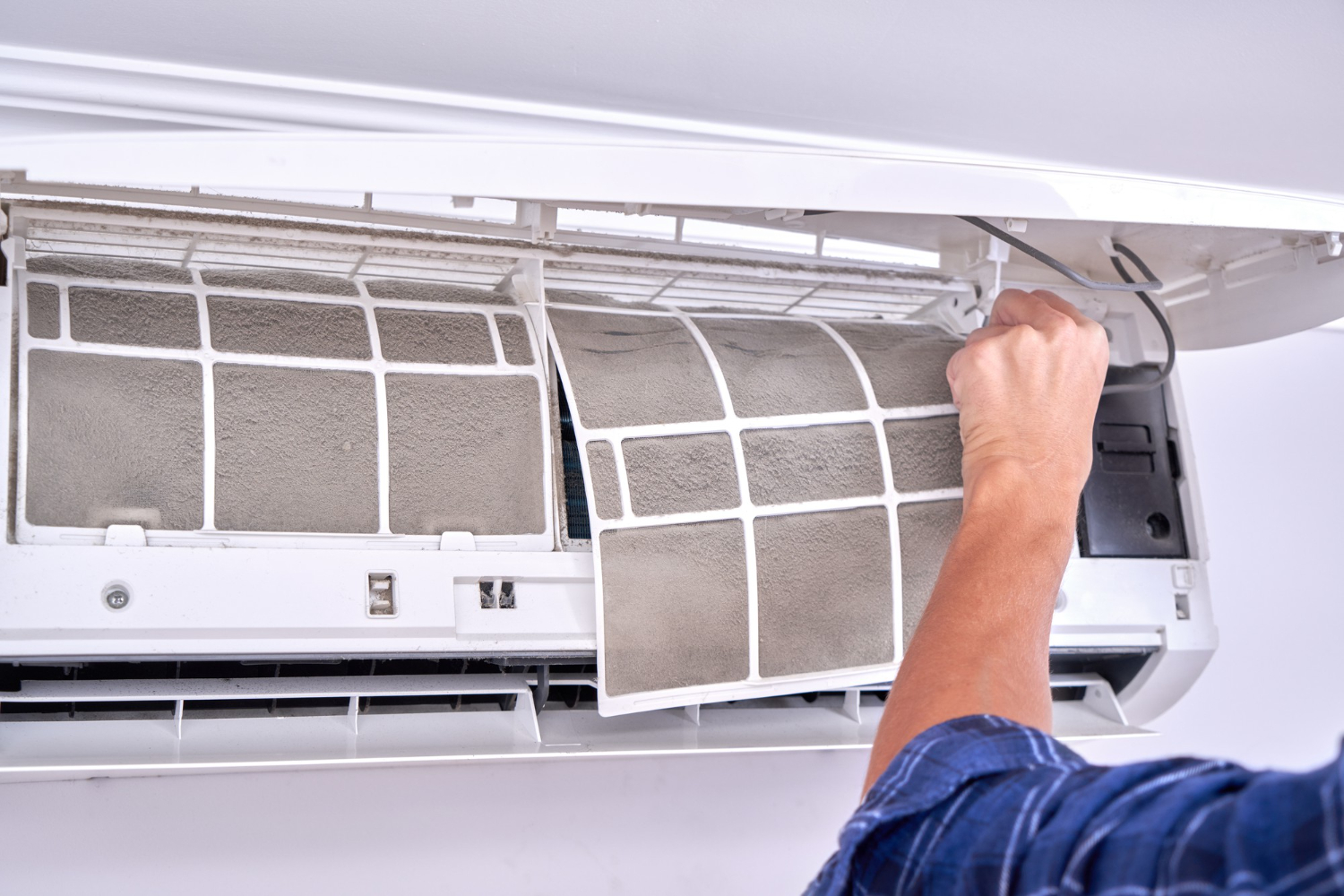
Dirty air filters are the most common cause of poor cooling. When filters get clogged with dust and debris, they block airflow through your system. You should check your filter every month and replace it when it looks dirty.
Low refrigerant levels also prevent proper cooling. If your AC is low on refrigerant, it likely has a leak that needs professional air conditioning repair. You'll notice ice forming on the refrigerant lines or warm air coming from your vents.
A malfunctioning thermostat can make your AC seem like it's not cooling. Check that your thermostat is set to "cool" mode and the temperature is lower than the current room temperature. Replace the batteries if you have a battery-powered model.
Blocked condenser units outside your home reduce cooling efficiency. Clear away leaves, grass clippings, and debris from around your outdoor unit. Keep at least two feet of clearance on all sides.
An AC that won't start at all needs immediate attention. Several simple fixes can solve this problem before you call a technician.
Check your circuit breaker first. AC units draw a lot of power and can trip breakers, especially during startup. Go to your electrical panel and look for tripped breakers, then reset them if needed.
Your thermostat might have dead batteries or incorrect settings. Replace the batteries and make sure the thermostat is set to cool mode with the fan set to "auto" or "on."
A blown fuse in your outdoor disconnect box can stop your AC from running. This box is mounted on your house near the outdoor unit. Turn off power before checking or replacing fuses.
Safety switches can shut down your AC to prevent damage. A full condensate drain pan triggers a safety float switch that stops the system. Empty the pan and clear any clogs in the drain line.
Water pooling around your AC indicates a problem that needs quick attention to prevent damage to your home.
Clogged condensate drain lines are the main cause of water leaks. Your AC removes moisture from the air, and this water normally drains outside through a small pipe. When this line gets blocked with algae, mold, or debris, water backs up and overflows.
You can clear minor clogs yourself. Find the drain line (usually a PVC pipe near your indoor unit) and use a wet/dry vacuum to suck out the blockage. Pour a cup of bleach or vinegar down the line every few months to prevent buildup.
Frozen evaporator coils create excess water when they thaw. This happens due to restricted airflow from dirty filters or low refrigerant. Turn off your AC and let the ice melt completely before restarting.
A cracked or damaged drain pan needs replacement. Indoor units older than 12-15 years often have rusted or cracked pans that leak water.
Unusual sounds from your AC signal specific problems that need attention. Different noises point to different issues.
Squealing or screeching usually means a worn belt or bad motor bearing. These parts need lubrication or replacement by a professional.
Banging or clanking sounds indicate loose or broken parts inside your unit. Turn off your AC immediately to prevent further damage. This often means a connecting rod, piston pin, or crankshaft is broken.
Buzzing can point to electrical problems, loose parts, or a failing motor. Check for debris in your outdoor unit first. If the buzzing continues, call an electrician.
Clicking when your AC starts is normal, but constant clicking means a relay or electrical control issue. This requires professional diagnosis.
Hissing often indicates a refrigerant leak. You need a licensed technician to find and repair the leak, then recharge your system.
Regular maintenance keeps your AC running efficiently and prevents most common problems.
Replace or clean air filters every 1-3 months depending on usage. Homes with pets or allergies need more frequent changes. Mark your calendar as a reminder.
Keep your outdoor unit clean and clear. Spray off dirt and debris with a garden hose monthly. Trim plants and bushes to maintain proper clearance.
Schedule professional maintenance once per year before cooling season starts. Technicians check refrigerant levels, clean coils, test electrical connections, and catch small problems before they become expensive repairs.
Clear your condensate drain line quarterly to prevent clogs. Use the bleach or vinegar treatment mentioned earlier to kill algae and mold growth.
Check your thermostat settings and batteries regularly. Program your thermostat to save energy by raising the temperature when you're away from home.
Fixing AC problems quickly saves you money and keeps your home comfortable. Many issues have simple solutions you can handle yourself, like changing filters or clearing drain lines.
Professional help is necessary for refrigerant leaks, electrical problems, and major component failures. Don't wait until a small problem becomes a big repair bill.
Regular maintenance is your best protection against AC breakdowns. Clean filters, clear outdoor units, and annual professional tune-ups keep your system running smoothly for years.
When your air conditioner runs but fails to cool your home, three main culprits are usually responsible: clogged air filters blocking airflow, insufficient refrigerant preventing heat transfer, or a broken compressor that can't circulate refrigerant effectively.
Your air filter traps dust, pollen, and debris before they enter your AC system. When the filter becomes clogged, it blocks airflow and forces your system to work harder while cooling less effectively.
A dirty filter reduces the amount of air that passes over the evaporator coil. This restriction means less warm air gets cooled and circulated back into your home. Your AC might run constantly without reaching the temperature you set on your thermostat.
You should check your filter every month and replace it when it looks gray or clogged. According to the U.S. Department of Energy, replacing a dirty filter with a clean one can reduce your air conditioner's energy use by 5 to 15 percent. This simple fix costs less than $20 and takes only a few minutes.
Refrigerant is the chemical that absorbs heat from your indoor air and releases it outside. Your AC needs a specific amount to cool properly. When refrigerant levels drop, your system can't remove enough heat from your home.
Low refrigerant almost always means your system has a leak. AC units don't consume refrigerant like fuel. If levels are low, the refrigerant is escaping somewhere in the system.
Signs of low refrigerant include:
You need a licensed technician to locate leaks, repair them, and recharge your system with the correct amount of refrigerant. This isn't a DIY repair because handling refrigerant requires special equipment and certification.
The compressor pumps refrigerant through your AC system. It pressurizes the refrigerant so it can absorb heat indoors and release it outdoors. When your compressor fails, refrigerant stops moving and cooling stops.
A failing compressor often makes loud grinding, squealing, or clicking noises. You might notice your circuit breaker trips repeatedly when the AC tries to start. The outside unit may not turn on at all, or it might run without the fan spinning.
Compressor failure usually happens from electrical problems, overheating due to dirty coils, or age-related wear. This repair costs between $1,500 and $2,500 depending on your unit. Because of the high cost, many homeowners choose to replace the entire outdoor unit or whole system if the equipment is over 10 years old.
When your AC refuses to start, the issue usually stems from power supply problems, incorrect thermostat settings, or electrical component failures. These problems account for most startup failures and often have simple solutions.
Your AC system draws significant power during startup, which can trip the circuit breaker if there's an overload or electrical fault. Check your electrical panel for any switches in the middle position or fully off. Reset the breaker by switching it completely off, then back on.
If the breaker trips again immediately, this signals a serious electrical problem that needs professional attention. Don't keep resetting a breaker that repeatedly trips, as this indicates a potential safety hazard.
Common causes of tripped breakers include dirty air filters forcing the system to work harder, electrical shorts in the wiring, or a failing compressor. You should also check if other high-power appliances are running on the same circuit, as this can cause overloads.
Your thermostat controls when your AC turns on, and incorrect settings are among the most common reasons for startup failures. First, verify the thermostat is set to "cool" mode rather than "heat" or "off." The temperature setting must be lower than your current room temperature.
Check if your thermostat display is blank or dim, which indicates dead batteries. Replace the batteries and wait a few minutes for the system to reset.
Loose wiring connections at the thermostat can prevent signals from reaching your AC unit. Remove the thermostat cover and look for any disconnected or frayed wires. If the thermostat is old or unresponsive after these checks, it may need replacement to restore proper function.
Power supply issues beyond the circuit breaker can prevent your AC from starting. Check the disconnect box near your outdoor unit, which contains a switch or fuses that might be off or blown. This safety switch sometimes gets accidentally turned off during yard work.
Inspect the power cord and connections at both the indoor and outdoor units for visible damage or loose plugs. Damaged wiring requires immediate professional repair to prevent fire hazards.
Your AC may also have a secondary shutoff switch near the indoor unit that could be in the off position. Some systems include safety switches that shut off power when the condensate drain pan is full, preventing water damage but stopping the AC from running.
Water pooling around your AC unit happens when condensation isn't draining properly or when mechanical problems cause moisture to build up. These leaks can damage your home and signal that your system needs attention.
Your air conditioner creates water as it cools your home. This condensation normally flows through a drain line and exits outside. When dirt, algae, mold, or debris blocks this line, water backs up and leaks around your indoor unit.
A clogged drain is the most common cause of AC leaking water. You might notice water pooling near the indoor unit or dripping from the ceiling if your system is in the attic.
You can often clear minor clogs yourself by locating the drain line access point and using a wet/dry vacuum to suction out the blockage. Some systems have a cleanout port where you can flush the line with distilled vinegar or a specialized cleaning solution.
Signs of a clogged drain:
Regular maintenance prevents most drain line clogs. Flushing the line every few months keeps buildup from forming.
Your evaporator coils can freeze when airflow is restricted or refrigerant levels drop too low. When these frozen coils thaw, excess water overwhelms the drain system and causes leaks.
Poor airflow from a dirty filter is a leading cause of frozen coils. The coils get too cold without enough warm air passing over them, causing ice to form. Low refrigerant levels also make coils freeze because the system can't regulate temperature properly.
You'll know your coils are frozen if you see ice buildup on the refrigerant lines or if your AC blows warm air. Turn off your system immediately to let the ice melt. This prevents damage to the compressor.
Once thawed, check your air filter and replace it if dirty. If the problem continues after changing the filter, you likely have a refrigerant leak that needs professional air conditioning repair in Atlanta.
Installation mistakes create long-term water problems that won't improve without correcting the original error. An unlevel indoor unit causes water to pool instead of flowing toward the drain. If the unit tilts even slightly in the wrong direction, condensation can't drain properly.
Incorrect drain line sizing or routing also leads to persistent leaks. The line needs a slight downward slope for gravity to pull water through. A line that's too small, runs uphill, or has sharp bends will trap water.
Common installation issues:
An oversized AC system cycles on and off too quickly. This prevents proper dehumidification and can cause excessive condensation. You'll need a professional to evaluate whether your system is sized correctly for your home and fix any installation problems.
Your AC system should run quietly in the background. When you hear banging, hissing, rattling, or buzzing sounds, these noises point to specific mechanical problems that need attention before they turn into expensive repairs.
Rattling and banging sounds usually mean parts inside your AC have come loose or broken. Loose screws, bolts, or panels vibrate against each other when the system runs. These vibrations create rattling noises that get louder over time.
Damaged fan blades often cause banging sounds as they hit other parts inside the unit. A worn-out fan blade can bend or crack, making contact with the housing each time it spins. This creates a rhythmic banging noise.
Common loose components include:
Turn off your AC right away if you hear loud banging or clanging. Continuing to run the system can cause the loose part to break completely or damage other components.
Squealing or screeching noises point to issues with your AC's motors or fan belts. These high-pitched sounds happen when moving parts lack proper lubrication. Motors need oil to run smoothly, and when they dry out, metal rubs against metal.
Buzzing sounds often indicate electrical problems with the motor. Failing motors struggle to start and may buzz continuously without turning on. This can also point to a bad capacitor, which helps start the motor.
Grinding noises are serious. They mean the motor bearings have worn down completely. Running your AC with grinding sounds will destroy the motor and require full replacement.
Most motor repairs cost between $100 and $550 for fans and blowers. AC compressor replacement runs around $1,200.
Hissing sounds typically mean refrigerant is leaking from your AC system. The refrigerant escapes through cracks or holes in the coils under high pressure, creating a hissing or whistling noise. Small leaks make quiet hissing sounds, while larger leaks can whistle loudly.
Gurgling or bubbling noises also signal refrigerant problems. When refrigerant levels drop too low, air gets into the lines and creates bubbling sounds as the remaining refrigerant flows through the system.
According to the U.S. Environmental Protection Agency, only EPA-certified technicians are legally permitted to purchase and handle refrigerants used in residential AC systems. Call a professional right away if you suspect a leak, as handling refrigerant requires special certification and equipment.
Taking care of your air conditioner before problems start saves money and keeps your home comfortable. Simple maintenance tasks like changing filters, scheduling professional service, and watching for early warning signs prevent most AC maintenance issues.
Your air filter traps dust, pollen, and other particles before they enter your AC system. A dirty filter makes your unit work harder and reduces airflow throughout your home.
Replace disposable filters every 1-3 months during cooling season. If you have pets or allergies, change filters monthly. Reusable filters need cleaning every month with water and mild soap.
Check your filter by holding it up to light. If you can't see through it clearly, it needs replacement. A clogged filter increases energy bills by up to 15% and puts stress on your system's components.
Mark filter changes on your calendar. Most filters show an arrow indicating proper installation direction. Make sure the arrow points toward the furnace or air handler.
Schedule a professional inspection each spring before heavy cooling begins. Technicians check refrigerant levels, test electrical connections, and clean components you can't safely access.
During a tune-up, professionals measure airflow and temperature differences across your system. They inspect the condensate drain, test the thermostat accuracy, and look for worn parts. These checks catch small problems before they cause breakdowns.
Professional maintenance extends your AC's lifespan by several years. It also keeps your warranty valid, as most manufacturers require annual service. Technicians have specialized tools to detect refrigerant leaks and measure system performance accurately.
The cost of annual maintenance is less than most emergency repairs. You'll also see lower energy bills when your system runs at peak efficiency.
Walk around your outdoor unit weekly during summer. Look for water pooling around the base or ice forming on refrigerant lines. Both signal problems that need attention.
Listen for grinding, squealing, or banging noises when your AC runs. Normal operation sounds like a steady hum with airflow. Unusual sounds often mean loose parts, worn belts, or failing motors.
Check indoor vents for weak airflow or warm air. Inspect visible ductwork for gaps or disconnected sections. Look at your thermostat to confirm it matches the actual room temperature.
Clean debris like leaves and grass clippings from around your outdoor unit monthly. Keep plants trimmed at least two feet away for proper airflow. These simple checks help you spot issues early when repairs cost less.
Most AC problems have straightforward causes that you can identify and fix yourself. Regular maintenance helps you avoid many common issues before they become expensive repairs.
Changing your air filters every few months keeps airflow strong and prevents your system from working harder than needed. You should also check your thermostat settings and make sure nothing blocks your vents or outdoor unit.
Some problems need professional help. Refrigerant leaks, electrical issues, and broken compressors require trained technicians with proper tools and certifications.
Catching problems early saves you money and extends your AC's lifespan. Strange noises, weak airflow, and warm air are signs you should not ignore.
You can keep your home comfortable by staying alert to warning signs and performing simple upkeep tasks. Know your limits and call a professional when a problem goes beyond basic troubleshooting.
Contact B. Tucker Heating & Air to schedule a tune-up or diagnostic visit and keep your system performing its best all season long.


