
Open : 9:00am to 5:00pm weekdays


Office Address
4025 Pleasantdale Rd, Suite 250 Atlanta, GA 30340

Phone Number
404-298-1314

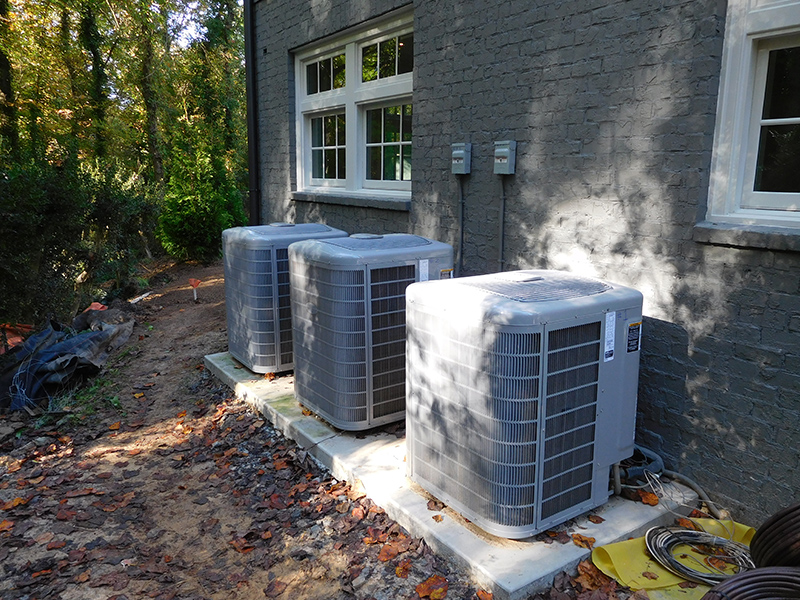
Professional HVAC repair services can diagnose problems quickly, fix them correctly, and help prevent future breakdowns that could leave you uncomfortable or cost more money later. Many companies offer emergency repairs seven days a week when you need help right away. Regular maintenance and quick repairs also help your system last longer and work better.
Your heating and cooling system keeps your home comfortable all year long. When it stops working right, you need fast and reliable help to get things back to normal. HVAC repair services fix broken air conditioners, heaters, furnaces, and other parts of your climate control system.
Understanding what goes wrong with HVAC systems and how repair services work helps you make smart choices for your home or business. In this article, you’ll learn what HVAC repair services cover, the most common heating and cooling failures, and how professional diagnostics restore comfort and efficiency in Atlanta.
Here’s what you need to know:
Keep reading to know common problems, repair options, and ways to keep your system running smoothly.
Getting your HVAC system fixed quickly protects your wallet, keeps your space comfortable, and helps your equipment last longer. Small problems become expensive disasters when you ignore them.
Your HVAC system controls the temperature in your space every day. When it breaks down, you lose that control fast. A malfunctioning furnace in winter leaves you shivering in freezing temperatures. A broken air conditioner in summer makes indoor spaces unbearably hot.
According to the City of Atlanta Office of Emergency Preparedness, the City has opened cooling centers during extreme heat (for example, a listed cooling center operated 11:00 a.m. to 6:00 p.m. at Selena S. Butler Park), which is why a total AC failure in peak heat should be treated as time-sensitive and escalated to professional air conditioner repair.
Fixing problems early stops these comfort issues before they start. A small refrigerant leak might only cause weak cooling at first. If you wait, the leak empties your system completely and cooling stops working altogether.
Quick repairs also prevent uneven temperatures between rooms. One faulty zone damper or blocked vent affects air distribution throughout your building. Fixing these issues restores balanced heating and cooling everywhere.
Damaged HVAC components waste energy. Your system works harder to reach the temperature you set, using more electricity or gas than normal. This extra energy use shows up directly on your utility bills.
Per the U.S. Department of Energy (DOE), you can save up to 10% a year on heating and cooling by setting your thermostat back 7°–10°F for about 8 hours a day (a programmable or smart thermostat can automate these setbacks).
A dirty or clogged air filter forces your blower motor to strain. A worn compressor runs longer cycles than it should. Leaking ductwork lets treated air escape before it reaches your rooms. Each of these problems increases your monthly costs.
According to the DOE, if ducts aren’t insulated and run through unheated spaces (like an attic or crawlspace), you can lose up to 60% of your heated air before it reaches the register—making duct inspection and sealing a high-impact repair item when comfort or efficiency is off.
Timely repairs fix these efficiency problems right away. Clean or replaced parts work smoothly and use less power. Your system reaches your desired temperature faster and maintains it with shorter run times.
HVAC equipment represents a major investment in your property. Most systems should last 15 to 20 years with proper care. Neglected repairs cut that lifespan significantly shorter.
Small mechanical issues create stress on other components. A failing capacitor makes your compressor work harder. A loose belt causes motor strain. These secondary problems spread damage throughout your system.
Quick fixes stop this chain reaction. You replace one worn part instead of multiple connected components later. Your system continues running smoothly for years longer than it would without maintenance.
Minor repairs cost much less than major replacements. A $200 repair today might prevent a $2,000 replacement next month. Emergency service calls also charge premium rates compared to scheduled appointments.
Common problems that start small but grow expensive include:
Catching these issues early saves you from paying for extensive damage repair. You also avoid the inconvenience of complete system failure during extreme weather when HVAC companies have the longest wait times.
Broken HVAC systems create real safety risks. Furnaces with cracked heat exchangers can leak carbon monoxide into your building. This odorless gas causes serious health problems or death. Electrical problems in any HVAC component risk fires or dangerous shocks.
Gas leaks from damaged furnace connections fill spaces with combustible fumes. Blocked condensate drains cause water buildup that promotes mold growth. Mold spores trigger respiratory problems and allergic reactions.
Professional repairs address these dangers immediately. Technicians test for gas leaks and carbon monoxide. They inspect electrical connections and replace faulty wiring. These safety checks protect everyone in your building from preventable hazards.
HVAC systems can develop several issues that affect comfort and energy bills. Dirty filters, thermostat problems, and worn components account for most service calls homeowners experience.
You might notice some rooms feel too hot while others stay cold. This happens when your HVAC system can't distribute air evenly throughout your home.
Common causes include:
Start by checking that all vents are open and unblocked by furniture or curtains. Replace your air filter if it looks dirty or hasn't been changed in over three months.
If the problem continues, you may have duct leaks. Air escaping through gaps in ductwork wastes energy and reduces comfort. A professional can seal these leaks and check if your system is the right size for your home.
Your HVAC system should run quietly with minimal sound. Unusual noises often signal mechanical problems that need attention.
Listen for these warning sounds:
Odors are equally important warning signs. A burning smell might mean overheating electrical components or a motor working too hard. Musty odors suggest mold growth in your ductwork or drip pan.
Gas furnaces require immediate attention if you smell rotten eggs, which indicates a dangerous gas leak. Turn off your system and call a professional right away.
Never ignore strange sounds or smells. Small problems become expensive repairs when left unaddressed.
Your HVAC system should run in steady cycles to reach the temperature set on your thermostat. Short-cycling means the system turns on and off too frequently, sometimes every few minutes.
This problem wastes energy and puts extra wear on your equipment. Your system uses the most power during startup, so frequent cycling drives up your utility bills.
Short-cycling happens due to:
Check your air filter first and replace it if needed. Make sure your thermostat isn't placed near heat sources like lamps or direct sunlight, which can cause false readings.
If your system is too large for your home, it will heat or cool the space too quickly and shut off before completing a proper cycle. A professional can evaluate if your equipment is properly sized.
Weak airflow from your vents makes your system work harder and longer to reach comfortable temperatures. You'll notice higher energy bills and inconsistent comfort levels.
Main causes of reduced airflow:
Problem
Impact
Solution
Clogged air filter
Blocks air from entering system
Replace filter monthly
Dirty evaporator coils
Reduces cooling capacity
Professional cleaning
Faulty blower motor
Can't push air effectively
Motor repair or replacement
Blocked condenser unit
Limits heat release outside
Clear debris around outdoor unit
Your outdoor condenser unit needs at least two feet of clearance on all sides. Remove leaves, grass clippings, and plant growth regularly.
Indoor evaporator coils collect dust over time, which acts as insulation and prevents proper heat transfer. Annual professional maintenance includes coil cleaning to maintain efficiency.
Refrigerant doesn't get used up like fuel. If your system is low on refrigerant, you have a leak somewhere in the lines or coils.
Low refrigerant prevents your air conditioner from cooling properly. You might notice ice forming on the refrigerant lines or outdoor unit. Your system will run constantly without reaching the desired temperature.
Signs of refrigerant problems:
Refrigerant leaks require professional repair. The refrigerant must be recovered, the leak must be found and fixed, and then the system must be recharged with the correct amount.
Running your system with low refrigerant damages the compressor, which is one of the most expensive components to replace. Address refrigerant issues quickly to avoid bigger problems.
Efficiency also drops when your system lacks regular maintenance. Dirty components, worn parts, and age all reduce performance over time.
Commercial HVAC systems face unique repair challenges that differ significantly from residential units. Larger scale equipment, complex building codes, and the high cost of operational downtime require specialized knowledge and quick response times.
Business operations depend on functioning climate control systems. When your HVAC system fails during business hours, every minute of downtime can cost you money through lost productivity, uncomfortable customers, or even damaged inventory.
Emergency HVAC repair services must respond quickly to minimize disruption. Your commercial system might break down outside normal business hours, requiring 24/7 repair availability. Many businesses need same-day service to prevent extended closures.
You should identify repair companies that stock common commercial parts and equipment. Supply chain delays continue to affect the HVAC industry, making it harder to find replacement components quickly. Having a service provider with strong supplier relationships helps reduce wait times.
Priority response agreements can guarantee faster service when you need it most. These contracts typically cost more but ensure your business receives immediate attention during emergencies.
Most commercial buildings house HVAC equipment on rooftops, creating unique access and diagnostic challenges. Your technicians need specialized training to work safely at heights while troubleshooting complex systems.
Commercial rooftop units handle much larger spaces than residential systems. A single unit might serve multiple floors or zones, making it harder to pinpoint problems. The size and complexity of these systems require advanced diagnostic tools and experience.
Common rooftop unit issues include:
Large-scale systems use sophisticated controls that manage temperature across different zones. When these controls fail, your entire building can experience climate problems. Technicians must understand building automation systems and how they integrate with HVAC equipment.
Your commercial space might contain equipment or products that require precise temperature and humidity control. Server rooms, medical facilities, and manufacturing operations cannot tolerate climate variations without risking damage or safety issues.
Data centers need constant cooling to prevent server overheating. A single degree of temperature change can affect equipment performance and lifespan. Your HVAC system must maintain strict tolerances that residential systems never face.
Restaurants and food service businesses must meet health department temperature requirements. Walk-in coolers and freezers depend on properly functioning HVAC support systems. Failures can spoil inventory worth thousands of dollars within hours.
Medical offices and laboratories store temperature-sensitive medications and samples. Your HVAC repair provider must understand these critical requirements and prioritize these repairs appropriately.
Commercial buildings must meet stricter codes than residential properties. Your HVAC repairs and replacements need to comply with local building codes, energy efficiency standards, and industry-specific regulations.
Building codes often require specific ventilation rates based on occupancy and building use. Your repair work cannot compromise these requirements. Modifications to existing systems might trigger code updates that bring older equipment up to current standards.
Energy codes in many jurisdictions now mandate minimum efficiency ratings for commercial equipment. You cannot simply replace old units with similar models if they do not meet current efficiency requirements.
Key compliance areas include:
Licensed contractors must pull permits for major repairs in most commercial settings. This adds time and cost but ensures work meets legal requirements.
Regular maintenance prevents most commercial HVAC failures before they happen. Your preventive program should address the specific demands of commercial equipment and usage patterns.
Commercial systems run longer hours than residential units. Many buildings operate HVAC equipment 12-16 hours daily or even continuously. This increased runtime accelerates wear and requires more frequent service intervals.
You should schedule filter changes monthly rather than quarterly in high-traffic buildings. Dirty filters reduce airflow and force your system to work harder. This increases energy costs and shortens equipment lifespan.
Belt-driven components need regular inspection and adjustment. Worn belts slip and reduce system efficiency. Your maintenance plan should include belt tension checks and replacements before failures occur.
Maintaining adequate inventory of critical parts reduces repair times. Stock commonly needed components like contactors, capacitors, and thermostats. Your service provider should track your equipment specifications and keep relevant parts available.
Diversifying your supplier relationships protects against supply chain disruptions. Having backup sources for parts and equipment helps maintain service levels when primary suppliers face delays.
Professional HVAC companies provide repair services for all major heating and cooling components in your home. These services address everything from emergency breakdowns to routine maintenance that keeps your system running efficiently.
Your furnace needs regular attention to work safely and efficiently during cold months. Technicians inspect and repair common issues like faulty ignitors, cracked heat exchangers, and malfunctioning blower motors. They also clean burners and check gas connections for leaks.
Regular maintenance prevents unexpected breakdowns when you need heat most. During tune-ups, professionals test your furnace's safety controls and measure carbon monoxide levels. They replace worn parts before they fail completely.
Most furnace problems show warning signs like strange noises, weak airflow, or higher energy bills. Addressing these issues early saves money on repairs and extends your equipment's lifespan.
Air conditioner repair covers multiple components that keep your home cool. Technicians fix compressor failures, replace damaged condenser coils, and repair electrical connections. They also address drainage problems that cause water leaks.
Refrigerant issues require special attention because your AC needs the right amount to cool properly. Low refrigerant usually means your system has a leak that needs repair. Technicians locate leaks, fix them, and recharge your system to manufacturer specifications.
Modern refrigerants have specific environmental regulations that certified technicians must follow. You cannot legally add refrigerant yourself, and improper handling damages your equipment and the environment.
Heat pumps provide both heating and cooling, which means they run year-round and experience more wear. Repairs address reversing valve problems, defrost control issues, and refrigerant leaks. Technicians also fix outdoor unit fans and indoor air handlers.
Your heat pump works harder in extreme temperatures, making regular maintenance critical. Professionals check electrical connections, lubricate moving parts, and clean coils to maintain efficiency.
Unusual sounds or ice buildup on your outdoor unit signal problems that need immediate attention. Quick repairs prevent minor issues from becoming expensive replacements.
Your thermostat controls when your heating and cooling system runs. Calibration problems cause temperature inconsistencies and wasted energy. Technicians test sensor accuracy and recalibrate settings to match actual room temperatures.
Older thermostats often need wire repairs or complete replacement. Modern programmable and smart thermostats offer better temperature control and energy savings. Professional installation ensures proper wiring and system compatibility.
A malfunctioning thermostat can make your entire HVAC system seem broken when only the control needs fixing. This simple repair is often less expensive than other heating and cooling repair work.
Your ductwork delivers conditioned air throughout your home. Leaks, gaps, and disconnected sections waste energy and reduce comfort. Technicians seal leaks with specialized mastic or metal tape that lasts longer than standard duct tape.
Poor ductwork design creates uneven temperatures between rooms. Professionals balance airflow by adjusting dampers and adding ducts where needed. They also insulate ducts in unconditioned spaces to prevent energy loss.
Dirty or damaged ducts affect your indoor air quality. Inspections reveal mold growth, pest infestations, or accumulated debris that needs cleaning or section replacement.
B. Tucker Heating & Air uses a structured repair process that focuses on accurate problem identification and lasting fixes. Their licensed technicians handle repairs for all makes and models while maintaining safety standards and verifying that systems work properly after service.
Your HVAC system requires accurate diagnosis before any repairs begin. B. Tucker's technicians examine your entire system to find the root cause of issues rather than just addressing symptoms.
The diagnostic process includes checking refrigerant levels, testing electrical connections, and inspecting components like compressors, motors, and thermostats. Technicians use specialized tools to measure airflow, temperature differentials, and system pressures.
This thorough approach prevents misdiagnosis that could lead to unnecessary repairs. When technicians identify the actual problem, they explain what's wrong with your system in clear terms. You receive information about what needs repair and why before any work starts.
B. Tucker provides quick response times when your heating or cooling system fails. The company has worked in the Atlanta area for over 40 years and maintains a team of trained professionals.
Licensed technicians arrive prepared with common parts and tools needed for most repairs. This preparation reduces the time your system stays offline. The company services both residential and light commercial systems.
Technicians complete repairs efficiently without cutting corners. Their experience with various makes and models helps them work quickly while maintaining quality standards.
Your safety remains a priority during all repair work. B. Tucker's technicians follow industry safety protocols when working with electrical components, refrigerants, and gas lines.
Proper handling of refrigerants prevents environmental damage and keeps your home safe. Technicians are certified to work with different refrigerant types and dispose of old refrigerant according to regulations.
Gas line work and electrical repairs require specific expertise. The company's technicians have training in these areas and use proper methods to prevent leaks, fires, or other hazards. They test safety features like pressure switches and flame sensors to verify they function correctly.
B. Tucker focuses on repairs that extend your system's lifespan rather than quick patches. When a component fails, technicians assess whether related parts need attention to prevent future breakdowns.
You receive honest recommendations about repair versus replacement options. If your system is old and requires expensive repairs, technicians provide information about costs and benefits of each choice.
The company uses quality replacement parts that match or exceed original equipment specifications. This approach reduces the likelihood of repeat failures. Technicians also address underlying issues like poor airflow or incorrect sizing that contribute to system problems.
After completing repairs, technicians test your system to confirm it operates correctly. They measure temperature output, check airflow at vents, and verify that the thermostat communicates properly with your equipment.
Performance testing includes running multiple heating or cooling cycles. This process reveals any remaining issues before technicians leave your property.
You receive confirmation that your system meets manufacturer specifications and operates at designed efficiency levels. Technicians demonstrate that repairs solved the original problem and explain any maintenance steps you should take to keep your system running well.
Professional HVAC repair delivers measurable improvements to your system's performance while protecting your investment. These services address efficiency losses, prevent breakdowns, and maintain healthy air in your home or business.
A malfunctioning HVAC system works harder to maintain your desired temperature, which increases your energy consumption. Professional technicians identify and fix issues like dirty coils, refrigerant leaks, and faulty thermostats that force your system to run longer cycles.
When your HVAC operates at peak efficiency, it uses less electricity or fuel to heat or cool your space. This translates to lower monthly utility bills. Small problems like clogged filters or worn belts can increase energy costs by 15-20%.
Trained technicians use specialized tools to measure airflow, temperature differential, and system pressure. They calibrate your equipment to manufacturer specifications, which ensures optimal performance.
HVAC failures during extreme weather create uncomfortable and potentially unsafe conditions. Professional repair services respond quickly to restore your comfort and prevent extended outages.
Experienced technicians carry common replacement parts and diagnostic equipment to their service calls. This preparation allows them to complete most repairs in a single visit. They diagnose problems accurately the first time, which eliminates the trial-and-error approach that extends downtime.
Many professional services offer emergency availability outside regular business hours. For businesses, rapid repairs prevent lost productivity and maintain comfortable conditions for employees and customers.
Small HVAC problems escalate into expensive failures when left unaddressed. A refrigerant leak can damage your compressor, turning a $200 repair into a $2,000 replacement. Professional technicians spot these issues early during routine service calls.
Faulty HVAC systems create safety risks in your home or business:
Licensed technicians follow safety protocols and building codes. They test for carbon monoxide, check electrical connections, and verify proper ventilation.
Your HVAC system circulates air throughout your entire space, which means it directly affects what you breathe. Professional repairs address issues that compromise air quality and create health problems.
According to the U.S. EPA, Americans spend about 90% of their time indoors, where concentrations of some pollutants are often 2 to 5 times higher than typical outdoor concentrations—one reason HVAC filtration, airflow, and moisture control problems should be corrected promptly.
Technicians replace worn filters, clean ductwork, and repair damaged components that allow contaminants into your air supply. They identify mold growth, excessive dust buildup, and humidity control problems.
Poor air quality triggers allergies, asthma, and respiratory issues. A properly maintained system removes airborne particles, controls humidity levels between 30-50%, and provides adequate ventilation. Professional service includes checking your system's ability to filter pollutants and regulate moisture.
Professional repairs come with warranties that protect you if problems recur. You receive documentation of all work completed, which provides a maintenance history for your system.
Certified technicians have extensive training on multiple HVAC brands and models. They stay current on new technologies and repair techniques through continuing education. This expertise means they understand how to fix your specific system correctly.
You avoid the risks of DIY repairs or unlicensed contractors who may cause additional damage. Professional services carry insurance that covers any damage during repairs. You also get expert advice on when repairs make sense versus replacing your system entirely.
Taking proactive steps to maintain your HVAC system saves money and prevents unexpected breakdowns. Regular care and attention to your equipment keeps it running efficiently for years.
Professional HVAC maintenance services should inspect your system at least twice per year. The best times are before summer and winter when your system will work hardest. These inspections catch small problems before they turn into expensive repairs.
During a maintenance visit, technicians check refrigerant levels, clean coils, inspect electrical connections, and test system controls. They also examine belts, motors, and other moving parts for wear. This attention prevents breakdowns during peak seasons when you need your system most.
Many manufacturers require regular maintenance to keep warranties valid. Skipping these services can void your coverage and leave you paying full price for repairs. Documentation of maintenance visits proves you've followed manufacturer guidelines.
Old HVAC systems waste energy and break down more often than newer models. If your system is over 15 years old, replacement often makes more financial sense than continued repairs. Newer systems use less energy and include better technology for controlling temperature.
Upgrading to modern equipment reduces your utility bills significantly. Today's systems meet higher efficiency standards and include features like variable-speed motors and smart controls. These improvements lower operating costs while maintaining better comfort in your home.
Consider the total cost of ownership when deciding between repair and replacement. Factor in energy savings, repair frequency, and remaining lifespan. A new system costs more upfront but often pays for itself through lower bills and fewer service calls.
Pay attention to how your HVAC system operates each day. Changes in performance often signal developing problems. Watch for unusual noises, weak airflow, or difficulty maintaining temperature.
Your energy bills provide clues about system health. A sudden increase in costs without explanation means your system is working harder than normal. This extra effort usually points to a maintenance issue that needs attention.
Warning signs to monitor:
Modern thermostats and monitoring systems track performance automatically. These tools alert you to problems before they cause complete system failure. Real-time monitoring helps you schedule repairs at convenient times instead of during emergencies.
Small HVAC problems rarely fix themselves. Ignoring warning signs leads to bigger failures and higher repair costs. A minor refrigerant leak becomes a compressor replacement if left untreated.
Call a technician when you notice changes in system performance. Early intervention prevents damage to other components. What starts as a worn belt can damage motors or other expensive parts if the belt breaks during operation.
Quick action also prevents safety hazards. Electrical problems, gas leaks, or carbon monoxide issues require immediate professional attention. Never delay repairs that could affect your family's safety.
Comprehensive annual tune-ups keep your system running at peak efficiency. These services go beyond basic filter changes to include thorough cleaning and testing of all components. Technicians calibrate thermostats, test safety controls, and verify proper airflow.
Annual service extends equipment life by five to ten years according to industry standards. This delay in replacement costs saves thousands of dollars over time. Regular tune-ups also maintain energy efficiency, keeping your utility bills lower.
Schedule tune-ups during off-peak seasons like spring or fall. Technicians have more availability and can spend adequate time on your system. This timing also ensures your equipment is ready before extreme weather arrives.
Regular HVAC maintenance and timely repairs keep your home comfortable while reducing energy costs. When you address problems early, you prevent small issues from becoming expensive emergencies.
Finding the right HVAC repair service matters for your system's performance and longevity. You should look for licensed technicians who arrive on time and explain repairs clearly. Professional service protects your investment and ensures your system runs efficiently.
You need to schedule annual maintenance to catch potential problems before they worsen. Most experts recommend servicing your system twice yearly, once before summer and once before winter.
Keep your system's maintenance records organized and watch for warning signs like strange noises or weak airflow. These symptoms tell you it's time to call a professional.
Your HVAC system works hard to maintain comfort throughout the year. Taking care of it through regular service and prompt repairs saves you money and stress over time. Choose qualified contractors who understand your equipment and respect your home.
Schedule HVAC repair services with B. Tucker Heating & Air to diagnose the issue accurately, complete code-compliant heating and cooling repair, and restore safe, efficient operation as quickly as possible.


