
Open : 9:00am to 5:00pm weekdays


Office Address
4025 Pleasantdale Rd, Suite 250 Atlanta, GA 30340

Phone Number
404-298-1314

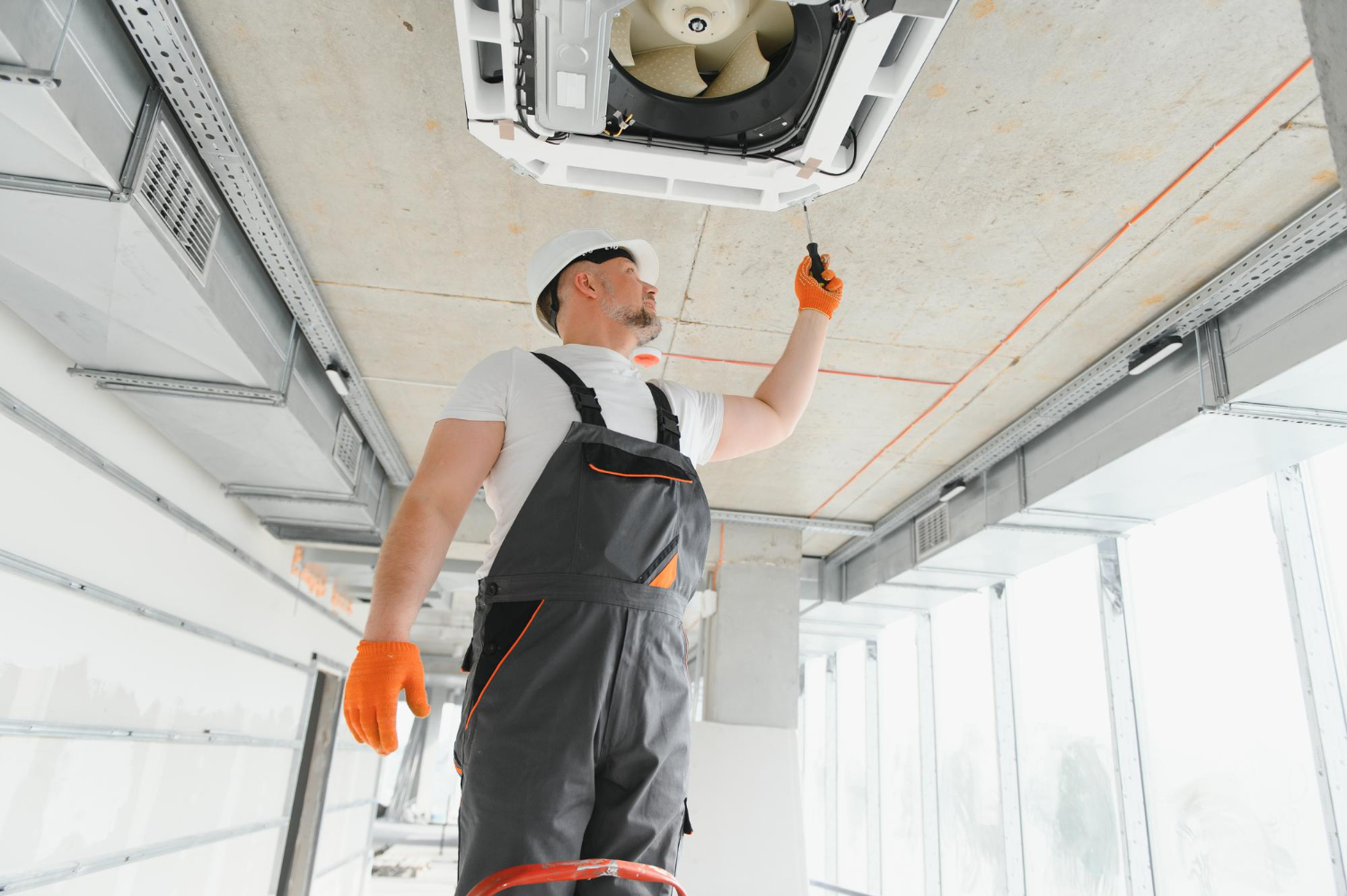
Most Atlanta homeowners don't think about their HVAC system until something feels off, but by the time comfort drops or bills climb, internal buildup has usually been quietly eroding performance for months. Routine HVAC cleaning and inspection is the simplest way to catch that decline early, restore airflow, and keep efficiency from slipping further.
Your HVAC system works hard to keep your home comfortable, but over time, dust, dirt, and debris build up inside the equipment and ductwork. This buildup doesn't just sit there doing nothing. It affects how well your system works and the quality of air you breathe.
A professional HVAC cleaning and inspection typically costs between $250 and $450 and includes checking all major components, cleaning critical parts, and identifying problems before they turn into expensive repairs. Regular service helps your system run more efficiently and last longer. It also prevents sudden breakdowns when you need heating or cooling the most.
Many homeowners notice their energy bills creeping up or their home feeling less comfortable without understanding why. The answer often lies in a system that needs attention. Understanding what happens during professional service and why it matters can help you make better decisions about maintaining your HVAC system.
Keep reading to see exactly what trained technicians do during a full cleaning and inspection so you can recognize quality work and protect your system from preventable damage.
Your HVAC system can run continuously while failing to maintain comfortable temperatures throughout your home. Dirty components restrict airflow and reduce cooling capacity, while hidden buildup creates uneven temperature zones that leave some rooms too warm or too cold.
Dust and debris accumulate on your system's coils, blower fan, and internal components over time. This buildup acts as an insulator that prevents proper heat exchange and reduces your unit's cooling capacity by 5% to 15%.
Your evaporator coils need clean surfaces to absorb heat from your indoor air effectively. When dirt covers these coils, they cannot transfer heat properly. The same problem affects condenser coils outside, which must release heat into the outdoor air.
The blower fan motor works harder when dust clogs the fan blades and surrounding housing. This reduced airflow means less cool air reaches your living spaces. Your system runs longer cycles trying to reach the temperature you set on your thermostat.
Dirty air filters create the most common airflow restriction. A clogged filter forces your system to work against resistance, reducing the volume of air it can circulate through your home. Following a clear commercial ac filter change schedule prevents most of these airflow losses before they ever start.
You might notice your bedroom stays warmer than your living room even though your system runs constantly. This temperature difference often starts with restricted airflow from dirty ductwork or blocked vents.
Buildup inside your air ducts reduces the amount of conditioned air reaching certain rooms. Dust, pet dander, and other particles coat the interior duct surfaces and narrow the passages where air flows. The rooms farthest from your air handler typically show problems first.
Your supply registers may deliver weak airflow even when you hear your system running. This happens when dirt accumulates around the duct connections or when debris blocks the pathways inside your ductwork. Some rooms receive adequate cooling while others remain uncomfortable.
Dirty coils also contribute to uneven temperatures because they cannot remove humidity effectively. Higher humidity levels make rooms feel warmer than the actual temperature reading.
Your monthly energy costs increase when your system runs longer to compensate for reduced efficiency. According to the U.S. Department of Energy, the average American household spends about $2,000 per year on energy, with $200 to $400 wasted through air leaks, drafts, and outdated heating and cooling equipment that a thorough cleaning and inspection can help address.
You pay more because your system operates for extended periods without reaching your desired temperature. The compressor runs continuously instead of cycling on and off normally. Your blower fan keeps running to push air through clogged filters and dirty coils.
These longer run times add up quickly on your utility bill. You might see a gradual increase over several months as components become progressively dirtier. Most homeowners attribute higher bills to rate increases rather than system performance problems.
Your thermostat settings remain unchanged, but your system cannot deliver the same results it once did. This efficiency loss happens so gradually that you adjust to the reduced comfort without realizing your system needs professional cleaning and inspection.
During an HVAC maintenance service, technicians focus on cleaning key components and checking critical systems to keep your equipment running safely and efficiently. This work includes restoring airflow, finding leaks, and ensuring electrical parts operate correctly. Structured hvac preventative maintenance plans build all of these steps into a repeatable annual routine.
Your air filter traps dust, pollen, and debris before they enter the system. When it gets clogged, airflow decreases and your unit works harder than necessary. Technicians replace or clean filters during every maintenance visit to keep air moving freely through your system.
The evaporator and condenser coils also collect dirt over time. Dirty coils cannot transfer heat properly, which reduces cooling performance and increases energy costs. A professional hvac maintenance service includes cleaning these coils with specialized tools and solutions.
The technician removes buildup from the coil fins and straightens any bent fins that block airflow. According to the U.S. Department of Energy, a qualified HVAC contractor uses a fin comb to straighten bent aluminum coil fins so they stop obstructing airflow, which restores both efficiency and proper system performance. They also clean the condensate drain line to prevent water backups that could damage your system or cause mold growth.
Your ductwork carries heated or cooled air throughout your home. During an air duct cleaning inspection, technicians look for gaps, holes, and disconnected sections that waste energy. Even small leaks can reduce efficiency by 20% or more.
They check accessible duct surfaces for accumulated dust and debris. Heavy buildup inside ducts can spread allergens and reduce air quality in your home. While a full duct cleaning is not always necessary, technicians identify problem areas that need attention.
The inspection includes checking duct insulation and sealing connections at joints and registers. Properly sealed ducts ensure conditioned air reaches its intended destination instead of escaping into attics or crawl spaces.
Loose or corroded electrical connections create resistance that generates heat and increases fire risk. During a heating and cooling system inspection, technicians tighten all electrical connections and measure voltage at various points in the system. This is the same kind of detailed review that drives professional hvac system diagnostics atlanta work on more complex problems.
They test the capacitors that help motors start and run smoothly. A failing capacitor causes hard starts or prevents your system from running at all. Technicians also inspect the contactor, which controls power flow to major components.
The wiring inspection includes checking for signs of overheating, frayed insulation, or pest damage. Your thermostat connections are tested to confirm proper communication with the HVAC unit. These electrical checks prevent unexpected breakdowns and keep your system operating safely.
Dirt and debris accumulation in your HVAC system creates a chain reaction that drives up energy costs. When filters, coils, and ducts become clogged, your system must work harder and run longer to maintain the temperature you want.
When dust and debris block your air filters and ducts, your HVAC system struggles to move air through your home. The system detects that rooms haven't reached the set temperature, so it keeps running to compensate.
This extended operation means your equipment uses more electricity or gas with each cycle. A clean system might reach your desired temperature in 15 minutes, but a dirty one could take 25 minutes or longer to do the same job.
Blocked airflow affects multiple components:
Your blower motor consumes significantly more energy when pushing air through blocked pathways. This extra strain not only increases your utility bills but also shortens the lifespan of motor components. Pairing routine inspections with a smart thermostat gives you better visibility into how long your system actually runs each day.
Dirty coils cannot transfer heat effectively. When your evaporator coils accumulate dust, they can't absorb heat from your indoor air properly. Similarly, contaminated condenser coils can't release that heat to the outside.
This heat transfer problem forces your compressor to work at higher pressures and temperatures. The compressor uses more energy trying to move heat that the dirty coils can't handle efficiently.
Your system's efficiency rating drops as buildup increases. An air conditioner rated at 16 seer rating when clean might perform closer to 12 SEER or lower when coils are covered in dirt and grime.
Minor dirt accumulation seems harmless at first, but problems multiply when you need your HVAC system most. Summer heat or winter cold pushes your equipment to run more frequently, and every dirty component adds to the strain.
A slightly dirty filter might only cost you a few extra dollars in spring. But by mid-July, when your air conditioner runs 8-10 hours daily, that same dirty filter combined with dusty coils and blocked vents can add 20-30% to your cooling costs.
Peak season challenges include:
Regular cleaning before peak seasons prevents these compounding effects and keeps your energy consumption stable. A spring hvac tune up is one of the easiest ways to lock in that stability before the cooling season begins.
When HVAC systems go without proper cleaning and inspection, the air circulating through your home can carry dust, allergens, and other particles that affect your health and comfort. These contaminants build up over time and create conditions where mold and poor airflow become real problems.
Your ductwork collects dust, pet dander, pollen, and other allergens every day. When these particles accumulate inside the ducts, your HVAC system pushes them into every room each time it runs.
People with allergies or asthma notice symptoms like sneezing, coughing, and eye irritation more often when ducts stay dirty. Even healthy individuals can experience headaches and fatigue from breathing contaminated air. According to the U.S. Environmental Protection Agency, upgrading the filter in your central HVAC system can help capture fine particulate matter such as PM2.5, which is one of the indoor pollutants most closely linked to health risks.
Common allergens found in duct systems:
Regular duct cleaning removes these built-up particles before they reach your living spaces. Clean ducts mean fewer allergens in your air and better health for everyone in your home.
HVAC components like evaporator coils and drain pans naturally produce condensation during cooling cycles. When moisture doesn't drain properly or sits too long, it creates perfect conditions for mold growth.
Mold releases spores into your air supply that can cause respiratory problems and allergic reactions. Some people develop serious symptoms including difficulty breathing, persistent coughing, and sinus infections.
Your drain lines need regular inspection to prevent clogs that trap water. Coils should stay clean so moisture drips off instead of pooling. The drain pan must be checked for cracks or overflow issues that let water sit inside your system.
Dirty filters and clogged ducts force your HVAC system to work harder to move air through your home. This reduced airflow makes some rooms feel stuffy while others stay too hot or too cold. These are some of the most common ac problems homeowners deal with each year.
When air moves slowly through your space, it doesn't mix well enough to maintain consistent temperatures. You'll notice stale odors linger longer because fresh air isn't circulating properly.
Signs of poor airflow in your home:
Indoor air quality maintenance includes checking airflow during inspections and replacing filters on schedule. Your system needs clear pathways to deliver fresh, filtered air to every room.
Professional HVAC cleaning and inspection creates noticeable improvements in how your system operates and performs. You'll experience better comfort, lower operating costs, and a system that works more reliably throughout the year.
After professional service, you'll notice air moving more forcefully through your vents. This happens because technicians remove dust and debris that block your ducts and clog your air filters.
Clean coils and blower components allow your system to move air without restriction. When air flows freely, every room in your home receives the heating or cooling it needs.
You won't deal with cold spots in winter or warm areas in summer anymore. The temperature stays consistent from room to room because your system can distribute conditioned air evenly. Your thermostat readings will match what you actually feel in your living spaces.
Blocked or dirty components force your system to work harder just to push air through your home. Once these obstructions are gone, you get the airflow your system was designed to deliver.
Clean equipment doesn't have to work as hard to do its job. Your blower motor uses less energy when it doesn't push air through clogged filters and dirty coils. According to the U.S. Department of Energy, homeowners can save as much as 10% per year on heating and cooling bills by setting back their thermostat 7°F to 10°F for 8 hours a day, and a clean system responds far more efficiently to those temperature changes.
Heat exchangers transfer warmth more efficiently when they're free from buildup. Air conditioning coils cool better when dust and grime aren't blocking heat transfer. These improvements mean your system runs for shorter cycles to reach your desired temperature.
Parts last longer when they operate under normal conditions instead of constant strain. Motors, compressors, and fans experience less wear when they don't compensate for dirty components. You'll hear quieter operation because your system isn't struggling against blockages.
Your energy bills drop when your system operates at its intended HVAC efficiency improvement level. A clean system uses 15-20% less energy than one that's been neglected.
Technicians spot worn parts during inspections before they fail completely. They identify loose electrical connections, refrigerant leaks, and damaged belts that would cause breakdowns later. Fixing small problems during maintenance prevents the kind of emergency hvac repair services calls that always seem to happen on the hottest or coldest days of the year.
Your system maintains consistent performance throughout each season. You won't notice gradual declines in heating or cooling power because regular service keeps everything working properly. The lifespan of your equipment extends when it receives proper care and attention.
Regular HVAC cleaning and inspection protects your investment and keeps your system running properly. These services help you avoid expensive repairs by catching small problems before they become major issues.
A trained technician will check all the important parts of your system during an inspection. They look at your air filters, ductwork, coils, and thermostats to make sure everything works as it should. The cleaning process removes dust, debris, and buildup that makes your system work harder than necessary.
You should schedule professional HVAC service at least once per year. Many experts recommend having your system checked twice yearly, especially if you use both heating and cooling. Spring and fall are good times to prepare for the seasons ahead.
The cost of routine maintenance is small compared to replacing a failed system or paying for emergency repairs. Your technician can spot worn parts, loose connections, and other issues during regular visits.
Clean HVAC systems also mean better air quality for your family. Dust and dirt in your ducts can circulate through your home every time the system runs. Professional cleaning removes these contaminants and helps everyone breathe easier.
Taking care of your HVAC system through regular cleaning and inspection is a smart choice that pays off in comfort, safety, and savings. To schedule your next cleaning and inspection in metro Atlanta, contact B. Tucker Heating & Air and put your system in the hands of a team that has served the area for over 40 years.


