
Open : 9:00am to 5:00pm weekdays


Office Address
4025 Pleasantdale Rd, Suite 250 Atlanta, GA 30340

Phone Number
404-298-1314

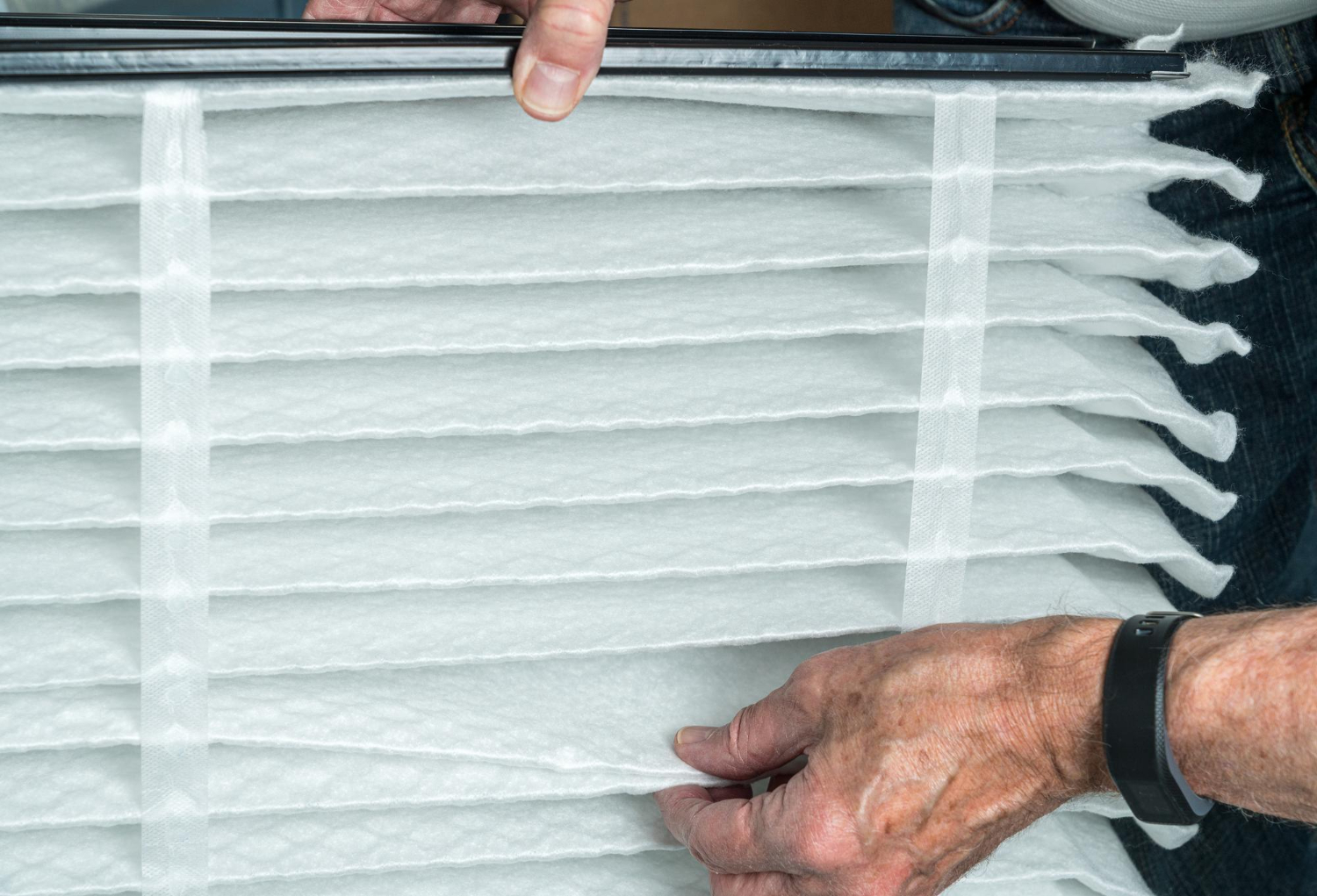
Atlanta's heat and humidity put year-round pressure on commercial HVAC systems, making commercial AC filter change one of the most important routine maintenance tasks a building owner can perform. Skipping or delaying filter replacements leads to poor air quality, higher energy bills, and accelerated wear on your equipment.
In this article, you'll find everything you need to know about changing commercial AC filters in Atlanta.
Keep reading to learn the right replacement schedule for your building type and how to avoid the most common filter maintenance mistakes.
Commercial AC filter change is a routine maintenance task that keeps your HVAC system running efficiently. Replacing filters on time protects your equipment and improves air quality in your building.
Most commercial spaces need AC filter replacement every 1 to 3 months. The exact timing depends on your building type and how much use your system gets. Buildings with high foot traffic require more frequent changes than quieter spaces.
Office AC filter service typically follows a monthly or quarterly schedule. Offices generate dust from paper, equipment, and daily activity. If your office has many employees or visitors, you should check filters more often.
Different factors affect how often you change filters:
You can tell when filters need changing by checking them visually. Dirty filters look clogged with dust and debris. Your system may also work harder or produce less airflow when filters are blocked.
Regular filter changes save energy and extend your HVAC system's lifespan. Clean filters allow air to flow freely through your system. This reduces strain on your equipment and lowers your energy bills.
Professional HVAC technicians can set up a maintenance schedule for your building. They assess your specific needs and recommend the right filter type and change frequency.
Regular filter changes protect your building's air quality, equipment, and operating costs. Clean filters keep your HVAC system working properly while dirty ones create problems that affect everyone in your building.
Your AC filters trap dust, pollen, mold spores, and other particles that circulate through your building. When filters get clogged, they can't capture these pollutants effectively. Dirty filters may even release trapped particles back into your air supply.
Clean filters are especially important in buildings with high foot traffic. More people means more contaminants entering your space. Regular changes ensure your filters can handle the constant flow of particles.
Poor air quality affects your employees and customers directly. People may experience allergies, breathing problems, or headaches when filters aren't changed on schedule. According to the U.S. Environmental Protection Agency, indoor air can be two to five times more polluted than outdoor air, making proper filtration critical for occupant health. Keeping up with filter changes helps you meet health and safety standards and avoid potential fines.
Clogged filters force your HVAC system to work harder than designed. Your system pulls air through the filter, and a dirty filter restricts this airflow. This restriction puts extra strain on your equipment's fan motor and other components.
Your system can overheat when airflow is blocked. The motor runs longer to move the same amount of air, which increases wear on all moving parts. This extra work shortens your equipment's lifespan and leads to expensive repairs or early heating replacement.
Regular filter changes extend your HVAC system's life. Clean filters allow proper airflow, which keeps temperatures stable and reduces stress on components. This simple maintenance step protects your investment in heating and cooling equipment.
Your HVAC system uses more electricity when filters are dirty. Restricted airflow means your equipment runs longer to reach the desired temperature. This extra runtime shows up directly on your energy bills.
According to the U.S. Department of Energy, replacing a clogged filter with a clean one can lower your air conditioner's energy consumption by 5 to 15 percent. Air moves freely through the system, so your equipment reaches target temperatures faster and cycles on and off as designed. You'll notice lower monthly utility costs when you stay on top of filter changes.
Energy savings add up quickly in commercial buildings. The cost of regular filter replacement is small compared to the money you save on electricity each month.
Commercial AC filters typically need replacement every 1 to 3 months, though this varies based on your building type, usage patterns, and air quality needs. High-traffic facilities require more frequent changes, while certain warning signs indicate when immediate replacement is necessary.
Most commercial facilities should plan to change AC filters every 30 to 90 days. This timeframe works well for typical office buildings with moderate foot traffic and standard indoor air quality needs.
Your specific replacement schedule depends on several factors. Building occupancy plays a major role. Spaces with more people generate more dust and contaminants. The type of filter you use also matters, as higher MERV-rated filters often last longer but may need monitoring for airflow restrictions.
Retail stores generally need filter changes every 1 to 2 months. Office buildings can often extend to 2 to 3 months between replacements. Light manufacturing or warehouse spaces typically fall in the 1 to 2 month range.
Check your filter manufacturer's recommendations as a starting point. Then adjust based on your building's actual conditions and performance.
Certain commercial spaces demand more frequent filter changes due to increased pollutants and higher system demands. Hotels, hospitals, and universities need filter replacements every 30 to 60 days because of constant occupancy and air circulation requirements.
Manufacturing facilities face unique challenges from production byproducts and debris. These spaces often require filter changes every 2 to 4 weeks. Restaurants need similar attention due to grease, smoke, and cooking particles that quickly clog filters.
Buildings in high-pollution areas or near construction sites should increase their replacement frequency by 25 to 50 percent. If your facility has pets, smoking areas, or special air quality requirements, plan for more frequent changes.
Monitor your system's performance closely during peak seasons. You may need to replace filters more often during summer and winter when your air conditioning runs continuously.
Your building may need new filters before your scheduled replacement date. Reduced airflow from vents is one of the clearest indicators that filters are clogged.
Watch for these warning signs:
You can also perform a visual inspection of the filter itself. Hold it up to a light source. If you can't see light through it, replacement is overdue. Filters that appear gray or black instead of white need immediate changing.
Staff complaints about air quality or allergy symptoms often signal that your filters are no longer working effectively. Address these concerns promptly to maintain a healthy indoor environment.
Changing a commercial AC filter requires turning off your system, removing the old filter while checking its condition, installing the new filter in the right direction, and writing down when you completed the work.
You need to shut down your HVAC system completely before you start any filter work. This step keeps you safe from moving parts and prevents unfiltered air from circulating through your building during the change.
Find your system's main power switch, which is usually located near the air handler unit or on the wall nearby. Flip the switch to the off position. Some commercial systems have a dedicated shutoff switch at the unit itself, while others require you to turn off power at the breaker panel.
Wait at least two minutes after shutting off the power. This gives the system time to stop all internal operations completely. You can verify the system is off by listening for fan noise and checking that air has stopped flowing through the vents.
Open the access panel where your filter sits. Commercial units typically have filters in the return air duct, near the air handler, or in a dedicated filter rack. Some panels slide out, while others require you to remove screws or latches.
Pull the old filter out carefully to avoid shaking loose dust and debris into the system. Note which direction the arrows on the filter frame are pointing before removal. These arrows show airflow direction and must face the same way when you install the new filter.
Look at the removed filter to check how dirty it is. A filter clogged with dust, dirt, or debris confirms you're changing it at the right time. Check the filter frame for any damage or warping that might let unfiltered air pass through.
Take your new filter out of its packaging and locate the airflow arrows printed on the frame. These arrows must point toward the air handler or furnace, in the same direction as your old filter.
Slide the new filter into the slot firmly. Make sure it fits snugly against all four sides of the filter housing with no gaps around the edges. Gaps allow dirty air to bypass the filter completely, which reduces your system's efficiency and air quality.
Double-check that the filter size matches your housing dimensions. Commercial filters come in many sizes, and using the wrong size creates gaps or prevents proper installation. The filter should fit securely without forcing or bending.
Close and secure the access panel completely. A loose panel can create air leaks that waste energy and reduce system performance.
Write down the date you changed the filter in your maintenance log. Include the filter size, brand, and MERV rating for future reference. This information helps you order the right replacements and track how often your system needs new filters.
Keep your maintenance records in a dedicated notebook, digital spreadsheet, or building management software. Track patterns in how quickly filters get dirty, which can alert you to air quality problems or system issues.
Set a reminder for your next HVAC filter change based on the manufacturer's recommendations. Most commercial filters need replacement every one to three months, but your specific timeline depends on your building's air quality, occupancy, and system usage.
Proper commercial HVAC upkeep requires attention to three key areas: scheduling professional inspections at appropriate intervals, investing in quality filtration products, and ensuring your team understands basic filter care protocols.
Professional HVAC inspections help catch problems before they become expensive repairs. You should schedule these inspections at least twice per year, ideally before cooling and heating seasons begin.
During inspections, technicians check multiple system components beyond just filters. They examine coils for dirt buildup, test thermostat accuracy, inspect drain lines for clogs, and tighten electrical connections. They also lubricate moving parts to reduce friction and wear.
Monthly checks between professional visits help maintain performance. Your maintenance staff should visually inspect filters, listen for unusual sounds, and monitor energy usage patterns. Any sudden changes in energy consumption often signal underlying issues.
Keep detailed records of all inspections and repairs. This documentation helps track system performance over time and identifies recurring problems. You can also use these records to plan your maintenance budget more accurately.
Filter quality directly affects your commercial air filter maintenance success and system efficiency. MERV ratings indicate filter effectiveness, with higher numbers capturing smaller particles.
Most commercial buildings need filters rated between MERV 8 and MERV 13. Office buildings typically use MERV 8-11 filters, while medical facilities and laboratories require MERV 13 or higher. According to the U.S. National Institute of Standards and Technology, using filters with MERV ratings that exceed your system's design can restrict airflow and strain equipment, so matching the rating to your system's specifications matters as much as the rating itself.
Quality filters last longer and protect equipment better than cheaper alternatives. They trap more dust, pollen, and particles before these contaminants reach your HVAC components. This protection extends equipment life and reduces repair costs.
Purchase filters from reputable manufacturers that meet industry standards. Genuine OEM filters ensure proper fit and performance. Generic filters may seem cost-effective but often require more frequent replacement.
Your building maintenance team needs basic training on filter inspection and replacement procedures. Start by showing them where filters are located in your system and how to access them safely.
Teach staff to recognize signs that filters need changing. Visible dirt accumulation, reduced airflow from vents, and increased dust in the building all indicate filter problems. They should also understand your replacement schedule based on building type and usage.
Create simple written procedures with photos or diagrams. Include step-by-step instructions for removing old filters and installing new ones correctly. Emphasize the importance of turning off equipment before filter changes.
Safety training matters for commercial HVAC upkeep tasks. Staff should wear gloves and masks when handling dirty filters. They also need to know proper disposal methods for used filters and where to store replacement filters to keep them clean.
Regular filter changes keep your commercial AC system running at its best. Clean filters improve air quality, reduce energy costs, and prevent expensive repairs down the road.
Your filter change schedule depends on your specific building needs. High-traffic locations like hotels and universities need more frequent changes than small retail stores. Check your filters monthly to see how quickly they get dirty in your space.
Make filter replacement part of your regular maintenance plan. Set calendar reminders or work with an HVAC professional to stay on schedule. This simple task protects your investment and keeps your building comfortable.
Don't wait for problems to appear before changing filters. A clogged filter forces your system to work harder and costs you more money. Inspect your filters often and replace them when needed.
Keep extra filters on hand so you're ready when it's time to change them. This prevents delays and ensures your system always has clean filters installed.
Contact B. Tucker Heating & Air to schedule a commercial maintenance visit and keep your system running at full efficiency.


