
Open : 9:00am to 5:00pm weekdays


Office Address
4025 Pleasantdale Rd, Suite 250 Atlanta, GA 30340

Phone Number
404-298-1314

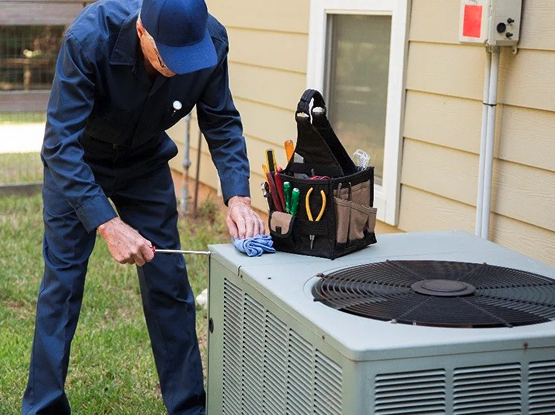
HVAC installation services include delivering and setting up your heating and cooling equipment, connecting it to your home's electrical and ductwork systems, testing everything for safety and performance, and making sure your new system runs efficiently. Professional installers handle all the technical work needed to get your system up and running properly.
Getting a new HVAC system installed is a big decision that affects your home's comfort and energy costs for years to come. You need to understand what the installation process involves, how to pick the right system, and what to look for in a qualified contractor.
This guide walks you through choosing the right HVAC system for your home, understanding what installation includes, knowing when it's time to replace your old equipment, and finding a reliable company to do the work.
Here's what you need to know:
Keep reading! You'll also learn about typical costs, what happens during installation day, and how to keep your new system working well.
Atlanta's climate demands a reliable HVAC system. The city experiences hot, humid summers and mild winters. Your system needs to handle both temperature extremes efficiently.
Key factors to consider when choosing your system:
The right HVAC system depends on your specific needs. A system that's too small will run constantly and struggle to maintain comfort. A system that's too large will cycle on and off frequently, wasting energy and wearing out faster.
Professional installation makes a significant difference in system performance. Even the most advanced equipment won't work properly without correct installation. Your installer should calculate the exact cooling and heating load for your home.
Installation quality affects:
Work with certified technicians who understand Atlanta's climate needs. They can recommend the right size and type of system for your home. Professional installers also ensure proper airflow, refrigerant levels, and thermostat placement. These details impact your comfort and energy bills for years to come.
Professional HVAC installation covers several key steps beyond just connecting equipment. Services include evaluating your home's heating and cooling needs, selecting the right equipment, removing old systems, installing new components, and providing guidance on proper system operation.
Your HVAC contractor starts by measuring your home's square footage and examining factors that affect heating and cooling needs. They check insulation quality, window types, ceiling heights, and how many people live in your home.
The technician performs Manual J load calculations to determine the exact heating and cooling capacity your home requires. These calculations prevent undersized systems that can't maintain comfortable temperatures or oversized units that cycle on and off too frequently.
According to the U.S. Department of Energy’s Building Science Education resources, HVAC “rules of thumb” often lead to oversized systems that waste energy and cycle too frequently, so using Manual J load calculations is the standard way to right-size equipment for comfort and efficiency.
During the evaluation, the contractor inspects your existing ductwork for leaks, damage, or sizing issues. They note your home's layout, including room sizes and sun exposure patterns. This information helps them recommend the most efficient equipment size for your specific needs. Proper sizing directly affects your energy bills and comfort levels throughout the year.
According to the U.S. Department of Energy (DOE), leaky ducts that spill conditioned air into unheated spaces can add hundreds of dollars per year to heating and cooling costs, so duct inspection, sealing, and insulation are high-impact steps during HVAC system installation planning.
Your contractor helps you choose between furnaces, heat pumps, air conditioners, and other equipment based on your climate and budget. They explain efficiency ratings like SEER for cooling and AFUE for heating so you understand long-term operating costs.
Common equipment options include:
The selection process includes matching indoor and outdoor units for optimal performance. Your contractor specifies the right air handler or blower to work with your chosen heating and cooling units. They also recommend thermostats, from basic programmable models to smart thermostats with WiFi connectivity.
Trained technicians disconnect your existing system following safety protocols for electrical and gas connections. They safely recover refrigerant from old air conditioning units as required by EPA regulations.
Per the U.S. Environmental Protection Agency (EPA), Section 608 certification is required to service, repair, and install air-conditioning and refrigeration equipment, which is why homeowners should confirm their installer is properly credentialed before refrigerant-line work begins.
The removal process includes taking out the old furnace, air conditioner, or heat pump from your property. Workers remove outdated thermostats, damaged ductwork sections, and worn mounting brackets. They protect your floors and walls during equipment removal to prevent damage to your home.
Your contractor disposes of old equipment according to local environmental regulations. Many components get recycled, including copper coils and metal housings. This proper disposal keeps harmful materials out of landfills.
Installation crews position and secure new equipment according to manufacturer specifications and local building codes. They connect refrigerant lines, electrical wiring, condensate drains, and gas lines if applicable.
The installation process includes:
Technicians test refrigerant pressures, airflow rates, and temperature differentials to confirm proper operation. They verify electrical connections deliver correct voltage and amperage. The crew checks for unusual sounds or vibrations that might indicate installation problems. They also test safety features like carbon monoxide detectors and emergency shutoff switches.
Your technician explains how to operate your new thermostat and adjust settings for different seasons. They show you where air filters are located and demonstrate how to change them every one to three months.
You receive information about your system's warranty coverage and what maintenance tasks you should perform. The technician points out outdoor unit clearance requirements and explains why you need to keep debris away from the equipment.
They provide emergency contact information and explain what sounds are normal versus signs of potential problems. You learn about your system's expected lifespan and when to schedule professional maintenance visits. Most contractors recommend annual tune-ups to keep your residential HVAC installation running efficiently.
Several clear signs indicate it's time to replace your HVAC system rather than continuing with repairs. Recognizing these warning signs early helps you avoid emergency breakdowns and plan for a properly sized replacement system.
Your monthly energy bills provide one of the clearest signals that your HVAC system is losing efficiency. When you notice a steady increase in heating and cooling costs even though your usage patterns haven't changed, your system is working harder to maintain the same comfort levels.
Older systems naturally lose efficiency over time as components wear down. Dust buildup, refrigerant leaks, and worn motors all force your system to consume more energy.
If you've kept up with regular maintenance but still see bills climbing 15-20% higher than previous years, your system has likely declined beyond what tune-ups can fix. Modern HVAC systems use significantly less energy than models from 10-15 years ago, which means a new installation often pays for itself through lower monthly bills.
Calling for repairs more than twice per heating or cooling season signals a failing system. Each repair visit costs money, and those expenses add up quickly when problems keep returning.
When repair costs reach 50% or more of a new system's price, replacement makes better financial sense. You'll also want to consider the age of the parts that keep failing. If your compressor, heat exchanger, or blower motor needs replacement, these major components cost thousands of dollars.
Systems that can't maintain set temperatures or cycle on and off constantly indicate serious internal problems. Short cycling wastes energy and prevents proper humidity control. These performance issues affect your comfort and indoor air quality even when the system technically still runs.
Most HVAC systems last 15-20 years with proper maintenance. Air conditioners typically last 15-17 years, while furnaces can reach 18-20 years. Heat pumps usually need replacement after 15 years of service.
Check your system's installation date on the manufacturer label or your home records. Systems in their final 2-3 years of expected lifespan should be replaced proactively rather than waiting for complete failure. Emergency replacements during extreme weather cost more and limit your options for choosing the right system.
The age of your system also affects parts availability. Manufacturers discontinue parts for older models, making repairs more expensive or impossible. Refrigerants like R-22 are no longer produced, so recharging older air conditioners costs significantly more than it used to.
Different temperatures between rooms or floors indicate your HVAC system can no longer distribute air properly throughout your home. You might notice some rooms stay too hot while others feel too cold, no matter how you adjust the thermostat.
These comfort problems often stem from an undersized system, failing ductwork, or a worn-out blower motor. While ductwork repairs can help, they won't fix an aging system that lacks the capacity to heat or cool your entire home.
Humidity problems also signal system failure. Excess moisture in summer or overly dry air in winter means your HVAC can't properly condition the air. New systems include better humidity control features that improve air quality and comfort.
Adding square footage to your home changes your heating and cooling needs. Room additions, finished basements, or converted garages require your HVAC system to condition more space than it was designed to handle.
Your existing system might run constantly trying to keep up with the larger area, leading to higher bills and shortened equipment life. A new system sized correctly for your expanded home provides better comfort and efficiency.
Major renovations like new windows, added insulation, or updated ductwork also create opportunities to reassess your HVAC needs. Your home's improved efficiency might mean you can install a smaller, less expensive system than your current one. An HVAC professional can calculate your home's current heating and cooling load to determine the right system size for your renovated space.
Professional HVAC installers can set up several different system types in your home, from traditional furnaces paired with central air conditioning to modern ductless units and hybrid solutions. The system that works best for you depends on your home's size, existing infrastructure, and climate needs.
Central air systems use a network of ducts to distribute heated or cooled air throughout your entire home. The furnace handles heating during cold months, while the air conditioner provides cooling in summer.
These systems work well for medium to large homes that already have ductwork installed. A furnace can run on natural gas, propane, or electricity. The outdoor condenser unit connects to an indoor air handler or furnace that pushes air through your ducts.
Installation costs are lower if your home already has ductwork. If you need new ducts installed, the project becomes more expensive and time-consuming. Central systems provide consistent temperatures across all rooms when properly sized and maintained.
Key components include:
Heat pumps provide both heating and cooling from a single system. They move heat rather than generate it, which makes them more efficient than traditional furnaces in mild to moderate climates.
During winter, a heat pump pulls heat from outdoor air and moves it inside. In summer, it reverses the process to cool your home. These systems work best in areas where temperatures rarely drop below freezing for extended periods.
Air-source heat pumps are the most common type and connect to ductwork like central air systems. They use less energy than furnaces because they transfer heat instead of burning fuel. Your electric bills may be lower compared to gas furnace operation.
Ground-source or geothermal heat pumps use pipes buried underground to exchange heat with the earth. These cost more to install but provide excellent energy efficiency in all climates.
Ductless mini-splits consist of an outdoor compressor connected to one or more indoor air handlers. These systems don't require ductwork, which makes them ideal for homes without existing ducts or room additions.
Each indoor unit mounts on a wall and connects to the outdoor unit through a small hole in the exterior wall. You can control each indoor unit separately, allowing different temperatures in different rooms. This zone control reduces energy waste in unused spaces.
Mini-splits work well for specific areas like garages, basements, or home additions. They're also good choices for older homes where adding ductwork would be difficult or expensive. Installation takes less time than ducted systems since technicians only need to mount units and run refrigerant lines.
Benefits of ductless systems:
Hybrid systems combine an electric heat pump with a gas furnace backup. The system automatically switches between the two based on outdoor temperature and which fuel source costs less to run.
When temperatures stay moderate, the heat pump handles heating efficiently. Once it gets too cold for the heat pump to work effectively, the gas furnace kicks in. This switching happens automatically without any input from you.
Dual-fuel systems cost more upfront than single-fuel options. However, they can save money on utility bills over time by using the most efficient heat source for current conditions. These systems make sense in areas with cold winters and moderate shoulder seasons.
Modern energy efficient HVAC systems include features that reduce power consumption and improve comfort. High-efficiency models carry SEER2 ratings above 16 for cooling and AFUE ratings above 90% for heating.
Variable-speed compressors adjust output to match your home's exact needs instead of turning on and off repeatedly. This provides more consistent temperatures and uses less energy. Two-stage or modulating systems offer similar benefits with multiple output levels.
Smart thermostats connect to your home's wifi network and learn your schedule. They adjust temperatures automatically to save energy when you're away and ensure comfort when you're home. You can control these systems remotely through smartphone apps.
Some systems include air quality features like advanced filtration, humidity control, and UV lights. Professional installers can integrate these components during installation to address specific air quality concerns in your home.
Most homeowners pay between $5,000 and $12,500 for a complete HVAC system installation. The final price depends on your equipment choices, home size, ductwork needs, and labor costs in your area.
Your geographic location affects labor rates and permit costs. Urban areas typically charge more than rural regions for the same work.
The complexity of your installation matters too. A straightforward replacement takes less time than installing a system in a new construction home. Your home's layout and accessibility can add labor hours if technicians need to work in tight spaces.
Permit fees range from $50 to $500 depending on your city or county requirements. Your contractor should include these costs in your estimate.
Brand selection impacts pricing as well. Premium manufacturers charge more than budget brands, though they often include longer warranties and better customer support.
HVAC systems with higher SEER ratings cost more upfront but use less energy. A basic 14 SEER unit might cost $3,000 to $5,000, while an 18 SEER or higher model can reach $6,000 to $10,000 for the equipment alone.
Your home's square footage determines the system size you need. A 2,000 square foot home typically requires a 3 to 3.5 ton unit. Undersized systems struggle to heat or cool your space efficiently, while oversized units cycle on and off too frequently.
Single-stage systems are the most affordable option. Two-stage and variable-speed systems cost 20% to 40% more but provide better temperature control and lower operating costs. Heat pumps generally cost $1,000 to $3,000 more than traditional air conditioners paired with furnaces.
Installing new ductwork adds $7,000 to $16,000 to your project cost. This work typically takes 3 to 5 days to complete. Homes without existing ducts need this major investment before your HVAC system can function properly.
Repairing existing ductwork costs $300 to $1,500 depending on the extent of damage. Old ducts often have leaks that waste 20% to 30% of your conditioned air. Sealing these leaks improves efficiency immediately.
Ductless mini-split systems eliminate ductwork needs entirely. These units cost $2,000 to $8,000 installed and work well for room additions or homes where installing ducts isn't practical. Each indoor unit connects directly to an outdoor compressor through a small conduit.
Labor costs make up 30% to 50% of your total HVAC installation price. Professional installers charge $75 to $150 per hour depending on your location and their experience level.
A standard HVAC replacement takes 1 to 2 days when your existing ductwork remains functional. Complex installations requiring ductwork modifications extend to 3 to 5 days. Your home might have limited heating or cooling during this period.
Quality installation matters as much as equipment quality. Poor installation reduces system efficiency by up to 30% even with premium equipment. Licensed contractors guarantee their work meets local building codes and manufacturer specifications.
Emergency replacements during peak seasons cost 10% to 25% more than scheduled installations. Planning your upgrade during spring or fall often results in lower prices and better contractor availability.
Many HVAC contractors offer financing plans with monthly payments ranging from $100 to $300 depending on your new HVAC system cost. These plans typically feature promotional periods with 0% interest for 12 to 60 months.
Manufacturer rebates reduce your upfront costs by $300 to $2,000 for qualifying high-efficiency systems. Your local utility company might offer additional rebates worth $250 to $1,000. Federal tax credits provide up to $2,000 back on qualifying heat pumps and air conditioning systems.
Energy-efficient systems save $200 to $500 annually on utility bills compared to older units. A system with a 16 SEER rating uses about 30% less electricity than a 12 SEER model. These savings add up to thousands of dollars over your system's 15 to 20 year lifespan.
Programmable thermostats included with modern systems increase savings by another 10% to 15%. You can adjust temperatures automatically when you're away from home without sacrificing comfort.
Professional installation directly impacts how well your HVAC system performs, how long it lasts, and whether it operates safely in your home. The difference between a correctly installed system and a poorly installed one shows up in your energy bills, comfort levels, and repair costs over time.
Your HVAC system needs to match your home's specific heating and cooling requirements. A professional installer performs detailed load calculations that account for your home's square footage, insulation levels, window placement, and local climate. These calculations determine the exact capacity your system needs.
An oversized system cycles on and off too frequently. This constant cycling wastes energy, increases wear on components, and fails to remove humidity properly. Your home feels clammy even when the temperature seems right.
An undersized system runs continuously without reaching your desired temperature. It struggles during extreme weather, driving up energy costs while leaving rooms uncomfortable. The constant strain shortens the system's lifespan significantly.
Professional installers use Manual J calculations to determine the correct size. This industry-standard method prevents the guesswork that leads to costly mistakes.
HVAC manufacturers require professional installation to honor their warranties. If you file a warranty claim, the manufacturer will ask for proof that a licensed technician installed your system according to their specifications.
DIY installations or work by unlicensed contractors immediately void most warranties. This means you pay full price for any repairs or replacements, even if the equipment has a manufacturing defect.
Licensed installers document the installation process and register your equipment with the manufacturer. They follow specific procedures for refrigerant charging, ductwork connections, and electrical hookups. This documentation proves your system was installed correctly if you need warranty service.
Without valid warranty coverage, a major component failure can cost thousands of dollars. Professional installation protects your investment from day one.
The way your HVAC system is installed affects how much energy it uses. Proper refrigerant charge levels are critical for efficient operation. Too much or too little refrigerant forces your system to work harder, increasing energy consumption by 20% or more.
Ductwork installation requires precise sealing and sizing. Leaky ducts waste up to 30% of conditioned air before it reaches your rooms. Professional installers seal all connections and test the system for air leaks.
Key installation factors affecting efficiency:
Technicians use specialized tools to measure airflow, refrigerant pressure, and temperature differentials. These measurements confirm your system operates at its rated efficiency level. You get the energy savings you paid for when you bought a high-efficiency unit.
HVAC installations must meet building codes, electrical codes, and mechanical codes in your area. These regulations exist to protect your safety and your home's structural integrity.
Professional installers know the permit requirements and inspection procedures for your location. They obtain necessary permits and schedule inspections to verify code compliance. Skipping this process can result in fines and forced removal of equipment.
Electrical connections pose serious fire risks when done incorrectly. Licensed technicians install proper circuit breakers, wire gauges, and disconnect switches. They ensure your system is properly grounded to prevent electrical shocks.
Gas furnace installations require precise venting to remove carbon monoxide safely. Improper venting can allow deadly gases to accumulate inside your home. Professionals follow strict guidelines for vent pipe sizing, slope, and termination points.
Your homeowner's insurance may deny claims related to unpermitted work. Code-compliant installation protects your coverage and your family.
Installation quality determines how long your HVAC system lasts. Systems installed by professionals typically last 15-20 years. Poorly installed systems often fail within 5-10 years.
Improper installation causes multiple stress points throughout the system. Incorrect refrigerant levels make the compressor work harder. Loose electrical connections create heat buildup. Poorly supported ductwork develops leaks and disconnections.
These issues compound over time. Components wear out faster when the system operates under stress. You face frequent repair calls and higher maintenance costs.
Professional installation includes startup procedures that catch problems immediately. Technicians test all safety controls, verify proper operation, and make adjustments before leaving your home. They spot potential issues that would cause problems later.
Licensed installers also provide documentation of the installation. This record helps future service technicians diagnose problems and maintain your system correctly. You avoid misdiagnosis and unnecessary repairs.
Finding the right HVAC installation company requires evaluating their credentials, pricing practices, warranty options, customer feedback, and ongoing support services. These factors help you identify professional HVAC installers who will complete quality work and stand behind their installations.
Professional HVAC installers must hold proper state and local licenses to legally work in your area. Most states require contractors to pass exams and maintain insurance coverage to protect homeowners from liability.
Look for certifications from recognized industry organizations. North American Technician Excellence (NATE) certification shows technicians have passed standardized tests on HVAC systems. EPA Section 608 certification is required for anyone handling refrigerants.
Ask about the company's years in business and their technicians' experience levels. Companies with at least five years of operation typically have proven processes and trained staff. Request information about ongoing training programs, as HVAC technology changes frequently and installers need current knowledge.
Reputable companies provide detailed written estimates before starting work. The estimate should list equipment costs, labor charges, permit fees, and any additional materials needed.
Be cautious of companies that recommend the most expensive system without assessing your home's specific needs. Professional installers perform load calculations to determine the right system size for your square footage, insulation levels, and climate zone.
A complete estimate includes:
Companies that pressure you to decide immediately or offer deals that expire within hours often prioritize sales over proper installation. Quality installers give you time to compare options and make informed decisions.
HVAC systems come with manufacturer warranties on parts, but installation quality matters just as much. Ask what labor warranty the company provides on their work. Standard labor warranties range from one to five years.
Review what the manufacturer warranty covers and for how long. Most equipment warranties last 5-10 years on parts, with some offering extended coverage on compressors. Register your equipment after installation to activate these warranties.
Some companies offer satisfaction guarantees or will return to fix issues at no charge within a specific timeframe. Get all warranty terms in writing before signing a contract.
Check online reviews on multiple platforms to see consistent patterns in customer feedback. Look beyond star ratings to read what customers say about communication, timeliness, cleanliness, and problem resolution.
Local Better Business Bureau ratings show how companies handle complaints. A few negative reviews aren't necessarily dealbreakers, but pay attention to how the company responds to criticism.
Ask for references from recent customers with similar installation projects. Contact these references to ask about their experience, whether the installers showed up on time, and if the system performs as expected.
Verify that the company maintains a physical business location rather than operating solely from a vehicle. Established local businesses are more accessible if you need service after installation.
Regular maintenance extends system life and maintains efficiency. Many installation companies offer annual maintenance plans that include tune-ups, filter changes, and priority service.
Typical maintenance plans cover:
Plans typically cost $150-300 per year and help catch small problems before they become expensive repairs. Some companies include the first year of maintenance free with new installations.
Ask if the maintenance plan transfers to new owners if you sell your home. Transferable plans add value and show the company's commitment to long-term customer relationships.
Installing a new HVAC system typically takes one to three days and involves several key steps. You'll work with technicians who will inspect your home, remove old equipment, install new components, test the system, and train you on its operation.
Before installation day, a technician will visit your home to assess your current setup and heating and cooling needs. They will measure your home's square footage, check existing ductwork, and evaluate electrical systems to ensure compatibility with your new equipment.
The technician will note any repairs or modifications needed, such as ductwork adjustments or electrical upgrades. You'll receive a detailed estimate that includes equipment costs, labor, and any additional work required.
During this visit, you'll schedule your installation date and discuss the expected timeline. Most residential HVAC system installations take between 8 and 14 hours, though complex projects may require multiple days. The technician will also explain what areas of your home will be affected and how to prepare.
Installation begins with removing your old HVAC equipment, including the furnace, air conditioner, or heat pump. Technicians will disconnect the system safely and haul away the old units.
Next, they'll install the indoor unit, which typically goes in your basement, attic, or utility closet. This includes mounting the furnace or air handler and connecting it to your existing or new ductwork.
The outdoor unit installation follows. Technicians will place the air conditioner or heat pump on a concrete pad or mounting brackets outside your home. They'll run refrigerant lines between the indoor and outdoor units through walls or crawl spaces.
Electrical connections come next, including wiring the system to your home's electrical panel and installing a dedicated circuit if needed. Technicians will also connect the condensate drain line to prevent water damage.
After installation, technicians conduct tests to verify your system works correctly. They'll check refrigerant levels and pressures to ensure proper cooling capacity. Low or high refrigerant levels can reduce efficiency and damage the compressor.
Airflow testing measures how much air moves through your vents. Technicians use specialized tools to verify each room receives adequate heating and cooling. They'll adjust dampers if certain areas aren't getting enough airflow.
The team will test all system controls and safety features, including limit switches, pressure switches, and flame sensors. They'll run the system through multiple heating and cooling cycles to identify any issues.
Your new thermostat gets programmed according to your preferences. Technicians will show you how to adjust temperature settings, set schedules, and switch between heating and cooling modes.
If you have a smart thermostat, they'll help connect it to your home's WiFi network and demonstrate the mobile app features. You'll learn how to monitor energy usage and receive maintenance reminders.
The technician will explain your system's basic maintenance needs, including when to change filters and how to recognize potential problems. They'll provide the system's warranty information and recommended service schedule.
Technicians perform a final walkthrough to ensure all components are properly installed and secured. They'll verify that all ductwork connections are sealed and insulated to prevent energy loss.
The team will clean up the work area, removing all packaging materials, old parts, and debris. They'll protect your floors and furniture throughout the installation and restore everything to its original condition.
You'll receive documentation including your warranty paperwork, equipment manuals, and maintenance guidelines. The technician will answer any remaining questions and provide contact information for future service needs.
Your new HVAC system needs regular care to work well and last for many years. Simple tasks like changing filters and scheduling professional checkups will keep your heating and cooling running smoothly while protecting your investment.
Air filters trap dust, pollen, and other particles before they enter your HVAC system. Clean filters help your system run efficiently and keep your indoor air quality high.
You should check your filters once a month, especially during peak heating and cooling seasons. Most standard 1-inch filters need replacement every 30 to 90 days. If you have pets, allergies, or live in a dusty area, change them every 30 to 45 days.
Thicker filters that measure 4 to 5 inches can last 6 to 12 months before needing replacement. Write down the filter size and type so you can buy the correct replacements. Many hardware stores and online retailers sell filters in bulk, which saves you money.
Set reminders on your phone or mark your calendar to check filters regularly. A clogged filter makes your system work harder, which increases energy bills and can cause breakdowns.
Schedule professional HVAC maintenance twice a year to keep your system in top condition. Technicians should inspect your air conditioner in spring before hot weather arrives and check your heating system in fall before winter.
During these visits, trained technicians check refrigerant levels, clean system components, and inspect electrical connections. They also examine ductwork for leaks and test your thermostat to make sure it reads temperatures correctly.
Professional maintenance catches small problems before they turn into expensive repairs. Technicians can spot worn parts, unusual sounds, or performance issues that you might miss. These regular checkups help your system last longer and work more efficiently.
Your manufacturer's warranty may require professional maintenance to stay valid. Keep records of all service visits and repairs for warranty purposes.
Pay attention to how your HVAC system operates each day. Notice if rooms heat or cool unevenly, or if you hear new sounds like grinding, squealing, or banging.
Check the vents in each room to make sure air flows freely. Weak airflow from vents can signal blocked ducts, dirty filters, or mechanical problems. Keep vents open and unblocked by furniture or curtains.
Watch for these warning signs:
Your thermostat should accurately reflect the actual room temperature. If you notice a difference of more than two degrees, your thermostat may need adjustment or replacement.
Walk around your outdoor unit monthly to check its condition. Remove leaves, grass clippings, and debris that collect around the unit. Keep plants and shrubs trimmed at least two feet away on all sides.
Inspect visible ductwork in your basement or attic for gaps, tears, or disconnected sections. Leaky ducts waste energy by losing heated or cooled air before it reaches your rooms.
Clean supply and return vents throughout your home every few months. Dust and debris on vent covers restrict airflow and reduce system efficiency. Use a vacuum attachment or damp cloth to wipe them down.
Check the condensate drain line quarterly to prevent clogs. Pour a cup of white vinegar down the drain line to keep it clear of algae and mold growth. A clogged drain can cause water damage and shut down your system.
Professional HVAC installation protects your investment and ensures your system works properly from day one. When you hire certified technicians, you get access to their training, specialized tools, and years of experience. These experts understand safety codes and manufacturer requirements that affect how your system performs.
Your HVAC system will run more efficiently when installed correctly. This means lower energy bills and fewer repair costs over time. Professional installers properly size your equipment, set up ductwork, and test all components before they leave.
You avoid common problems like poor airflow, uneven temperatures, and premature system failure when professionals handle your installation. These issues often happen with DIY attempts or unlicensed contractors.
Your comfort depends on more than just buying quality equipment. The installation process directly affects how well your system heats and cools your space. Professional installers make sure every component works together as designed.
Choosing professional installation services gives you peace of mind. You know your system is set up correctly and ready to provide reliable heating and cooling for years to come.
Request an estimate from B. Tucker Heating & Air for HVAC installation services so a technician can complete a Manual J load calculation, recommend the right-size energy efficient system, and install it to code with verified airflow and refrigerant charge.


